REVIEW · PORTLAND OREGON
Portland: Lan Su Chinese Garden General Admission Ticket
Book on GetYourGuide →Operated by Lan Su Chinese Garden · Bookable on GetYourGuide
Quiet steps, big cultural ideas. Lan Su Chinese Garden turns Portland into a Ming-style scholars’ garden inspired by Suzhou, built by Chinese artisans and opened in 2000, so you’re not just looking at plants—you’re walking a design with a point of view.
I also like that it’s easy to add to your day in a calm, unhurried way. A stop at the tea room (and the chance to catch small cultural moments when programs are running) makes the garden feel like a living culture, not a one-and-done photo stop.
One thing to plan around: admission only works during daytime operation hours, and the last entry is 30 minutes before closing (summer last entry 6:00pm; winter last entry 4:00pm).
In This Review
- Key things I’d circle on your visit
- A Suzhou-style garden built for ideas, not just views
- Getting there: entrance in Old Town/Chinatown, plus easy parking
- How the garden visit actually flows (and why it feels calming)
- Tea room time: a small break that makes the whole place click
- Programs and art: what to look for once you’re inside
- The design lesson: harmony, architecture, and why it’s more than plants
- Timing tips: morning quiet vs late-day mood
- Practical rules that affect your comfort (yes, they matter)
- Value and pricing: is the $17 ticket worth it?
- Who should book this ticket
- Should you book this Portland Chinese Garden ticket?
- FAQ
- Where is Lan Su Chinese Garden located?
- How much does general admission cost?
- What does the ticket include?
- Are tickets valid for nighttime visits?
- What time do I need to enter?
- Is the garden wheelchair accessible?
- Are pets allowed inside?
- Is food or drink included?
- Is there parking nearby?
Key things I’d circle on your visit
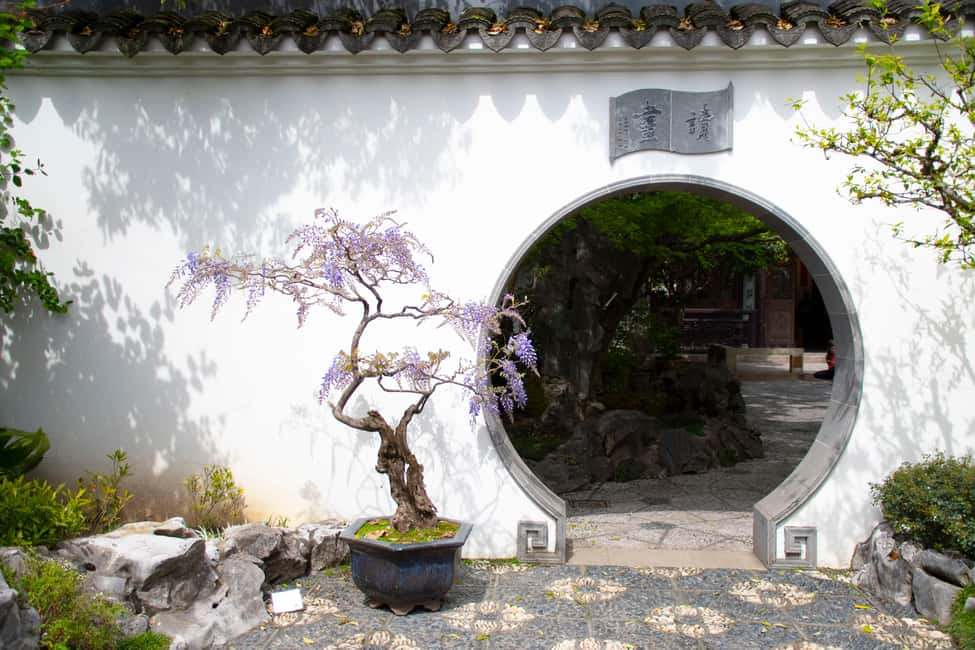
- Suzhou-to-Portland connection you can see in the design: this garden is the result of a sister-city link with Suzhou, Jiangsu province.
- A scholars’ garden layout with meaning: it’s built to provoke thought as well as beauty.
- Tea room time adds real value: it turns your walk into a slow, sit-down experience.
- 500+ cultural and botanical programs each year: you’re likely to find something happening during your visit.
- Art exhibits and (sometimes) docent-led public tours: structure is available if you want it.
- Rules that protect the experience: no tripods, no glass objects, no smoking, and no pets other than assistance animals.
A Suzhou-style garden built for ideas, not just views
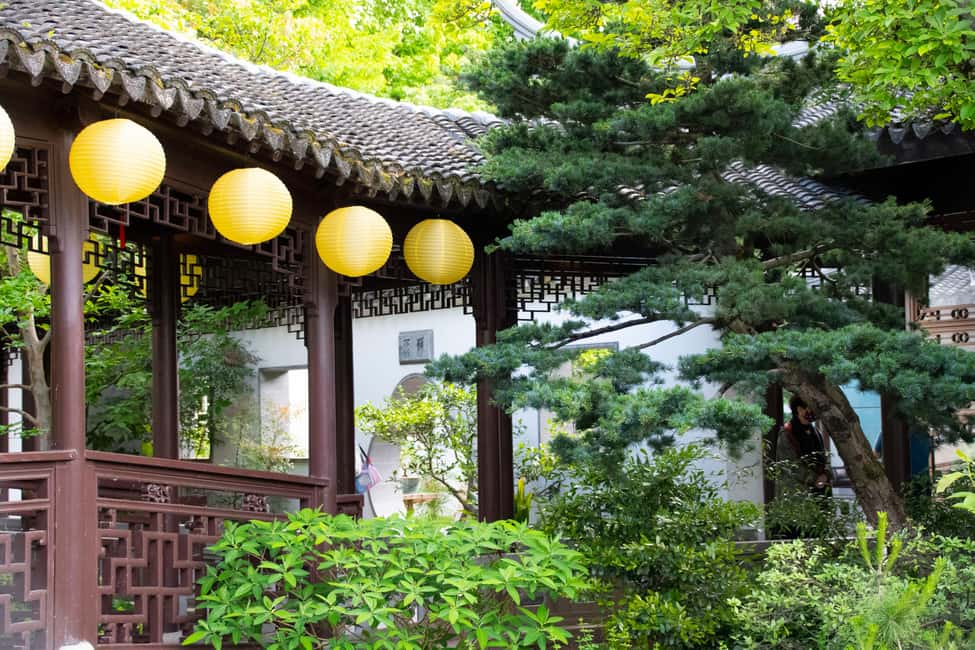
Lan Su Chinese Garden is one of Portland’s stand-out cultural spaces because it isn’t trying to be a theme park version of China. It was built by Chinese artisans from Suzhou and opened in 2000, and the result feels like a real scholars’ garden tradition brought to Oregon by a Portland–Suzhou partnership.
Scholars’ gardens were never only about pretty scenery. The design is meant to create moments that make you pause, notice, and think—like the garden is a quiet conversation happening around you. That matters because it changes how you experience the pathways: you slow down on purpose, not because you’re bored.
You can also read our reviews of more tours and experiences in Portland Oregon

Getting there: entrance in Old Town/Chinatown, plus easy parking
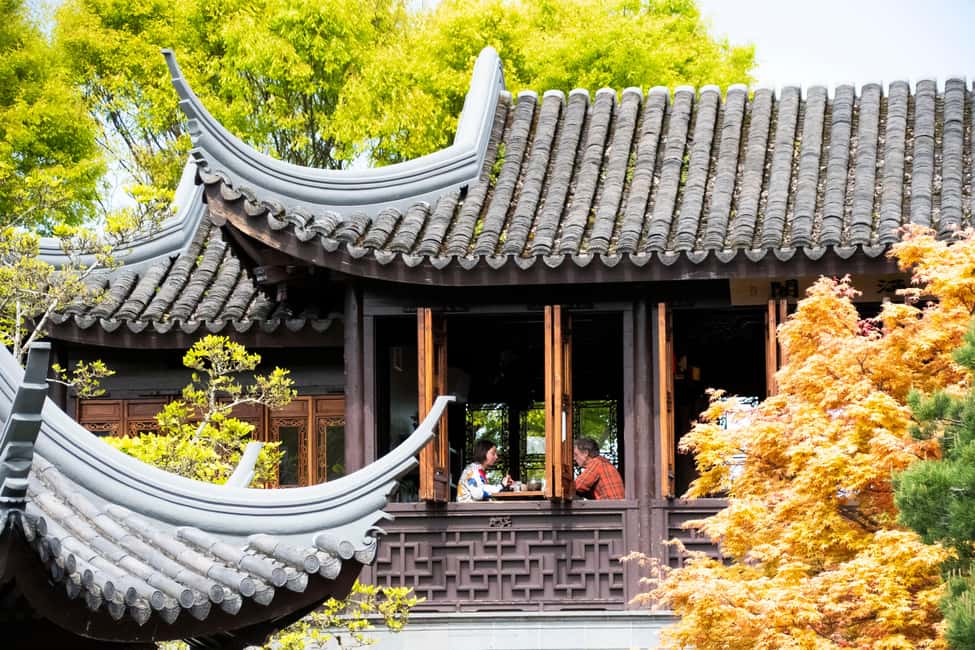
Plan your approach for Old Town/Chinatown. The entrance is at the corner of NW Everett Street and Third Avenue, and that’s a good base if you’re pairing the visit with other nearby Portland stops.
If you’re driving, parking is first come, first served at Third Avenue & Flanders Street. That’s simple, but it also means you should avoid arriving at peak chaos if you can.
How the garden visit actually flows (and why it feels calming)
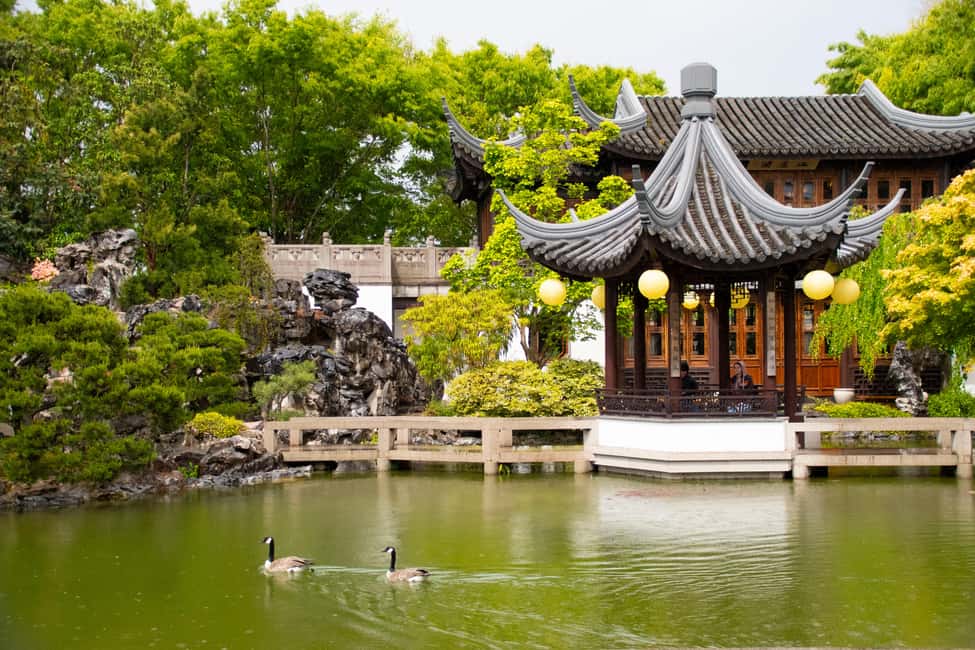
This is a place where the “itinerary” is the garden itself. You enter, then you move through the spaces at your own pace, letting the scenery guide you—courtyards, pathways, and garden compositions meant to feel balanced.
Because it’s a universal access garden with a wheelchair accessible route, the design still accommodates movement for people who use mobility aids. That’s a big deal in a garden setting, where many landscaped places forget accessibility until it’s too late.
If you’re short on time, aim to visit in daytime operation hours and treat the last entry rule as your guardrail. The last entry is 30 minutes before closing, so you’ll want a bit of buffer if you like lingering with tea, looking at exhibits, or taking photos.
Tea room time: a small break that makes the whole place click
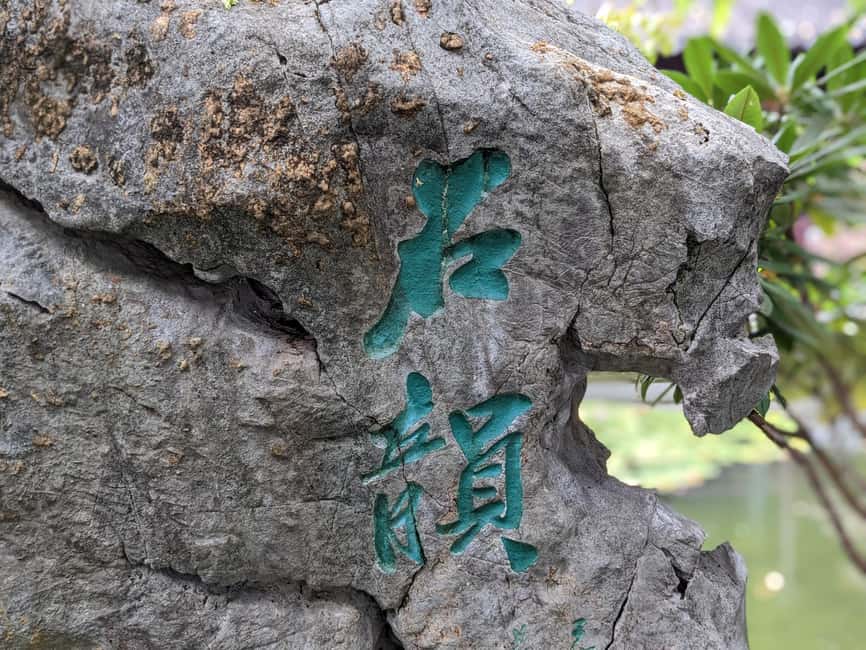
One of the easiest ways to get more out of Lan Su is to pause rather than rush through. A tea room stop turns your visit from garden browsing into a slower cultural experience.
In practice, the tea setup is part of what makes this place feel peaceful. People tend to remember the views from the tea area, because you get a chance to watch the garden composition from inside, not just through the gate.
Even if you’re not a tea person, the idea is worth it: take 20 minutes, sit down, and let the garden reset your brain. You’ll be better prepared to notice details you would otherwise miss.
Programs and art: what to look for once you’re inside
Lan Su isn’t just “botanical.” It offers more than 500 cultural and botanical programs each year, plus art exhibits. That’s why the garden can feel different from one day to the next.
What this means for you: if your timing is flexible, you can sometimes catch a cultural activity happening in the grounds. For example, you might see a Tai Chi-style class or similar programming when it’s scheduled, and it can add energy without turning the garden into a crowd scene.
If you like structure, docent-led public tours are offered as available. If you prefer independence, you can skip the tour and still enjoy the garden using the signage and your own curiosity. Either way, plan time for exhibits because they add context to what you’re seeing in the landscaping and architecture.






The design lesson: harmony, architecture, and why it’s more than plants
Lan Su is often described as a Chinese garden, but what makes it special is how all the parts work together—art, history, architecture, design, and nature. In a normal botanical garden, flowers and trees are the main act.
Here, those elements feel coordinated. The architecture and garden compositions help shape sightlines and pacing, like you’re moving through carefully arranged scenes rather than a random patch of greenery. That’s the scholars’ garden mindset at work: thought, reflection, and beauty share the same space.
If you enjoy design, this place has plenty to reward attention. If you don’t, it still lands as calm and scenic, because the overall experience is built to feel balanced.
Timing tips: morning quiet vs late-day mood
You can visit year-round, and the garden’s appearance changes with the season. That alone is a reason to choose your timing thoughtfully.
If you want a quieter feel, earlier in the day tends to be your friend. Less crowd pressure usually means you can take your time and absorb the garden without feeling shuffled along.
If you’re choosing late afternoon, plan your tea and photo time so you don’t feel rushed at closing. One reason people love late-day visits is the way the garden mood shifts as the sun lowers, turning it into a softer, more reflective setting. Just remember the last entry schedule so you don’t get cut off mid-stroll.
Practical rules that affect your comfort (yes, they matter)
The garden has clear rules, and knowing them ahead of time saves awkward moments at the entrance.
Not allowed:
- weapons or sharp objects
- smoking, vaping
- pets (assistance dogs allowed)
- tripods
- glass objects
- unaccompanied minors
- feeding animals
- climbing
Why this matters: the no-tripod rule keeps space usable, especially around smaller paths and tea areas. The restrictions also protect the garden experience, since feeding and climbing can harm both plants and the grounds.
So bring a small camera if you want, but skip the tripod setup. If you travel with kids, plan on being present with them, since unaccompanied minors aren’t allowed.
Value and pricing: is the $17 ticket worth it?
Admission is $17 per person, and each paid admission includes a $0.95 service fee. You’ll also notice the “one-day” format, which is more about flexibility in your schedule than a short, rigid event.
For value, I think Lan Su makes sense if you care about culture, design, or a quieter kind of sightseeing. The price is reasonable compared to many cultural attractions in major cities, especially because you’re getting access to the garden itself plus entry to art exhibits and the chance to experience ongoing cultural and botanical programming throughout the year.
Also, the fact that it’s a universal access garden makes it a better deal for mixed groups—people with different mobility needs can still enjoy the setting without splitting up.
Who should book this ticket
I’d book Lan Su Chinese Garden if you want:
- a meaningful cultural stop that feels designed, not generic
- a calm activity that works well with a half day or full day plan
- a tea-and-garden pairing instead of a strict guided tour schedule
- something peaceful in Portland that doesn’t require a car hop to multiple locations
It may be less ideal if you’re looking for a fast, high-adrenaline experience, because the garden rewards patience. And because it’s daytime admission only, plan around your daylight window and the last-entry timing.
Should you book this Portland Chinese Garden ticket?
Yes, if you want a genuine design-forward cultural experience that you can enjoy at your own pace. The combination of Suzhou artistry, the scholars’ garden concept, and ongoing programming (plus art exhibits) makes it feel like more than a botanical walk.
Before you go, double-check your day against the last entry rule, and build in time for tea. If your schedule fits daytime operation hours, this is a thoughtful, good-value way to see a different side of Portland culture—one that’s quiet, beautiful, and quietly smart.
FAQ
Where is Lan Su Chinese Garden located?
The entrance is at the corner of NW Everett Street and Third Avenue in Old Town/Chinatown.
How much does general admission cost?
General admission is $17 per person, and each paid admission includes a $0.95 service fee.
What does the ticket include?
Your ticket includes admission to Lan Su Chinese Garden, access to over 500 cultural and botanical programs annually, and access to art exhibits. Docent-led public tours are available as offered.
Are tickets valid for nighttime visits?
Admissions can only be applied to daytime operation hours.
What time do I need to enter?
The last entry is 30 minutes before closing. Summer hours last entry is 6:00pm, and winter hours last entry is 4:00pm.
Is the garden wheelchair accessible?
Yes. Lan Su is a universal access garden with a wheelchair accessible route.
Are pets allowed inside?
Pets are not allowed. Assistance dogs are allowed.
Is food or drink included?
No. Food and drink are not included.
Is there parking nearby?
Yes. Parking is first come, first served at Third Avenue & Flanders Street.