REVIEW · PORTLAND OREGON
From Portland: Willamette Valley Character Wineries
Book on GetYourGuide →Operated by Terran Travels · Bookable on GetYourGuide
A Pinot day outside Portland hits different. This small-group trip through the Willamette Valley is built around tasting Pinot Noir while your guide connects the wine to place, people, and the little stories that make Oregon feel personal. You’ll ride out of Portland in a black high-top van, tour farmland that also grows nuts and berries, and learn how terroir turns into what’s in your glass.
I especially love that the guide does more than hand you a menu. With interpretive stops on history, geology, and culture, you learn what to notice and how to taste—not just what to like. A second thing I like: the day feels human, with the guide pointing out the intriguing personalities tied to the wine (and yes, you’ll hear about non-human characters too, like the valley’s natural rhythm).
One possible drawback: you may end the day at a stop that’s more of a growers-focused setup than a classic winery with a wine-maker story. Also, wine tasting fees aren’t included, though they’re often waived if you buy a bottle, so plan on that add-on.
In This Review
- Key Things I’d Plan Around
- From Portland to Pinot Country in One Long, Pleasant Day
- Timing and the Van Ride: How the Day Keeps Its Shape
- The Guide Makes It: Terroir, History, and How to Taste
- Your 3–4 Winery Stops: Variety Without Chaos
- Lunch at the Second Winery (and It Works With Dietary Needs)
- Snacks, Water, and the Chance for a Farm Stand Stop
- Pinot Noir in the Willamette Valley: What You’re Actually Learning
- Price at $199: Where the Value Really Comes From
- A Quick Reality Check on Tasting Fees and Tipping
- Who This Tour Suits Best (and Who Should Skip)
- Practical Tips I’d Use Before You Go
- Should You Book This Willamette Valley Character Wineries Tour?
- FAQ
- How long is the Willamette Valley character wineries tour?
- How many wineries will I visit?
- What does the tour include?
- Are wine tasting fees included?
- What is the price of the tour?
- Do I need ID or a passport?
- Is lunch included, and what about dietary needs?
- What should I bring?
- Is pickup from my Portland hotel included?
- Is there free cancellation?
Key Things I’d Plan Around
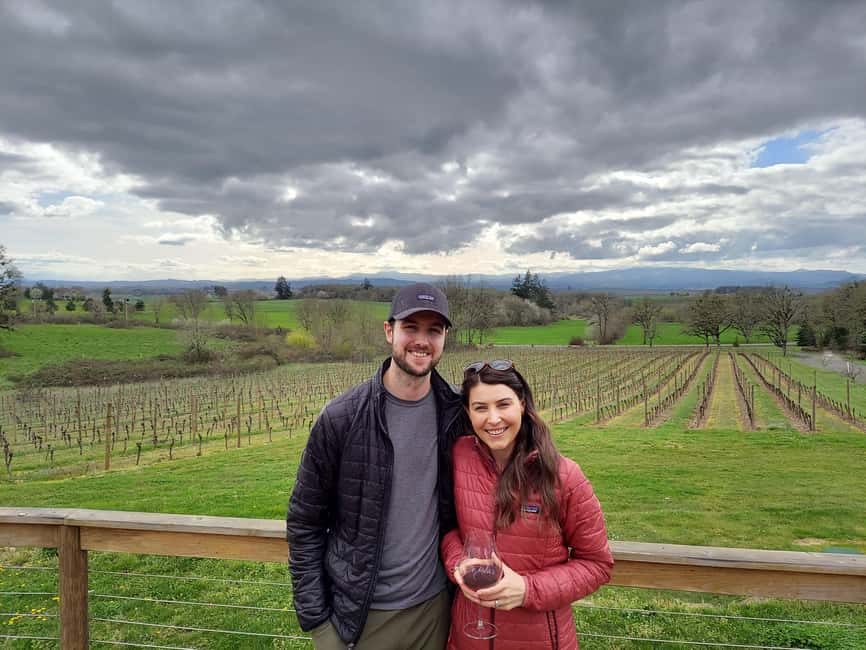
- A 3–4 stop tasting day across multiple Willamette Valley sub-AVAs, so you get variety without feeling rushed
- Small-group size (up to 14) for real conversation with the guide instead of a lecture from the back of the van
- Pinot Noir as the point of the day, with help understanding what makes each pour different
- Lunch at the second stop, served as a platter and adjusted for dietary needs
- Scenic rural driving plus possible farm-stand snacks, including the chance to grab farm-fresh items
- Wine tasting fees not included, so your final cost depends on how much you buy
From Portland to Pinot Country in One Long, Pleasant Day
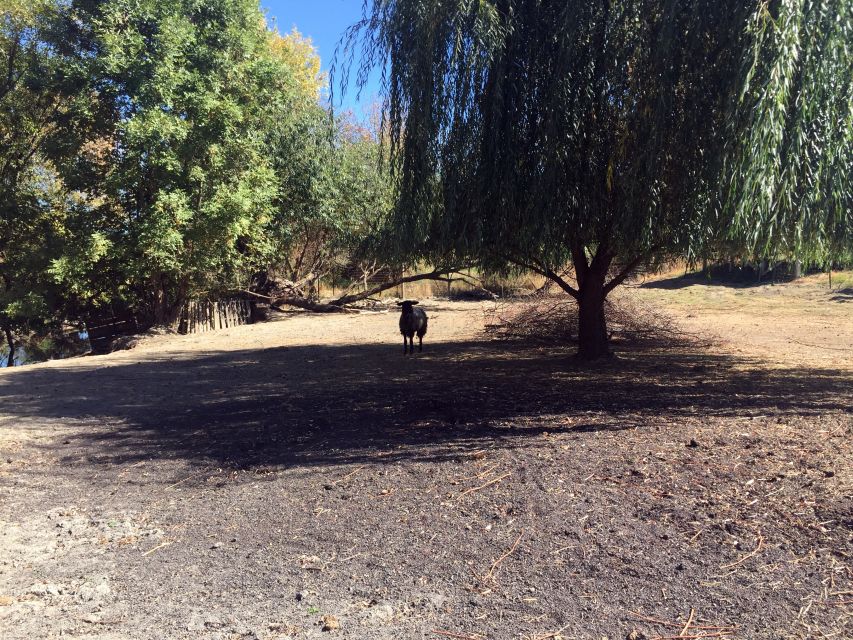
This is a classic “get out of the city and let the valley do its thing” day trip. You start in Portland with hotel pickup, then travel south and west into one of Oregon’s most productive regions. The Willamette Valley is known for more than wine—think hazelnuts, berries, and Christmas trees—so even before you pour anything, the scenery and farmland set expectations: this is not just tasting rooms and views, it’s an working landscape.
The day lasts about 7 hours, so you’ll have time to taste, eat, and ask questions, but it still moves at a touring pace. That matters because wine days can either be relaxed or oddly timed. Here, the structure is built to keep you from feeling like you’re sprinting between stops.
Small group also changes the vibe. With a limit of 14 participants, you’re less likely to get lost in the shuffle. You can actually hear the guide, compare notes with the person next to you, and take the time to notice what you’re smelling and tasting instead of just collecting sips.
You can also read our reviews of more tours and experiences in Portland Oregon.


Timing and the Van Ride: How the Day Keeps Its Shape
Your guide picks you up from your Portland hotel or accommodation. You’ll want to wait outside for a black high-top extended-length van (unless you’re told a different vehicle is being used). It’s simple, but it helps to be ready—wine tours reward punctual people because the day is built around timed winery experiences.
Once you roll out, you’ll meander through vineyard areas and past small towns while your guide explains how the valley works. You’re not stuck on one main road the whole time. The route is designed so you see rolling hills and feel the different pockets of the region rather than just arriving at places and leaving.
At the end, you’re dropped back at your Portland hotel. That last detail is bigger than it sounds. Trying to drive between tasting rooms yourself can turn into stress—parking, traffic, and deciding who’s the designated driver. Here, your main job is to stay hydrated and pace your tastings so you can actually enjoy lunch.
The Guide Makes It: Terroir, History, and How to Taste
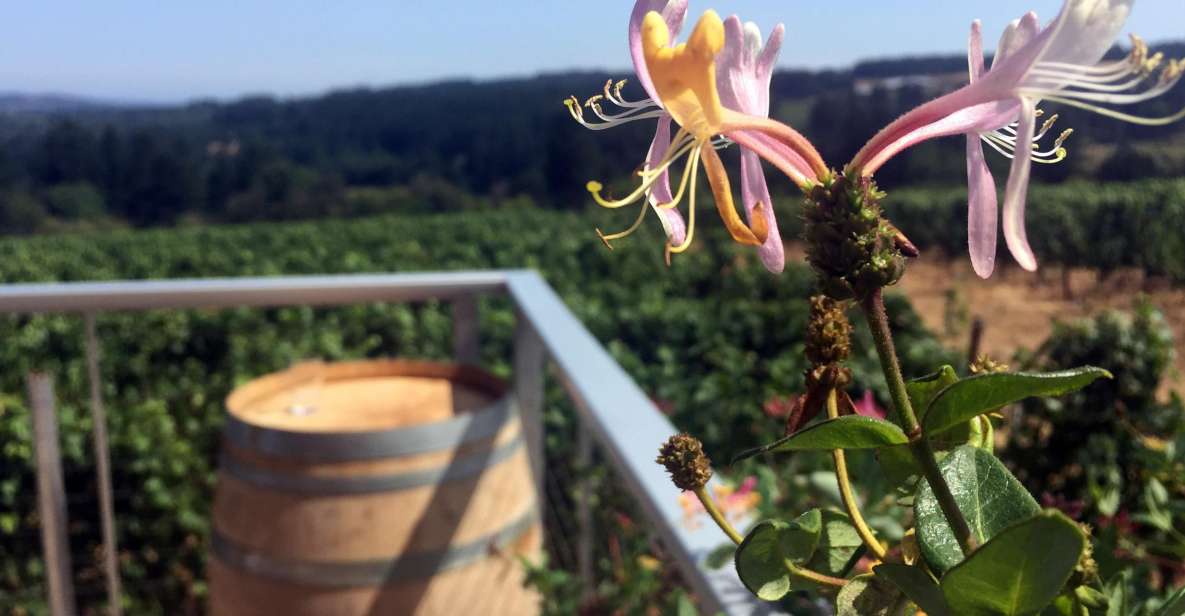
The best part of this tour is the way your guide connects wine to the valley. You’re not only sampling; you’re learning how to read the bottle in a practical way. The tour includes interpretive background on terroir and the character of Willamette Valley wine, and you’ll also get history and geology explained in plain language.
One detail that stood out from an excellent guide experience is that Cher was both strong on wine and a fountain of information about the area’s geology, history, and culture. That kind of guiding matters because Pinot Noir can feel confusing if all you hear is fruity vs. earthy. A good guide helps you notice structure, not just flavor—how acidity feels, how the body changes, and how finish lingers.
Also, the “personalities” angle is part of the education. Some tours focus only on vines. This one tries to connect the people behind the scenes to what you’re tasting. That turns tastings into more than a blur of labels.
Your 3–4 Winery Stops: Variety Without Chaos
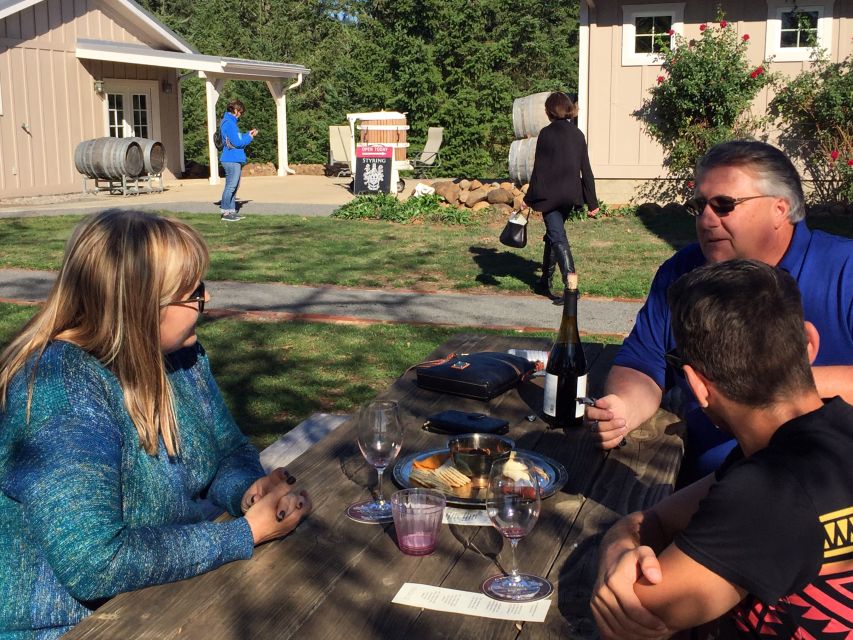
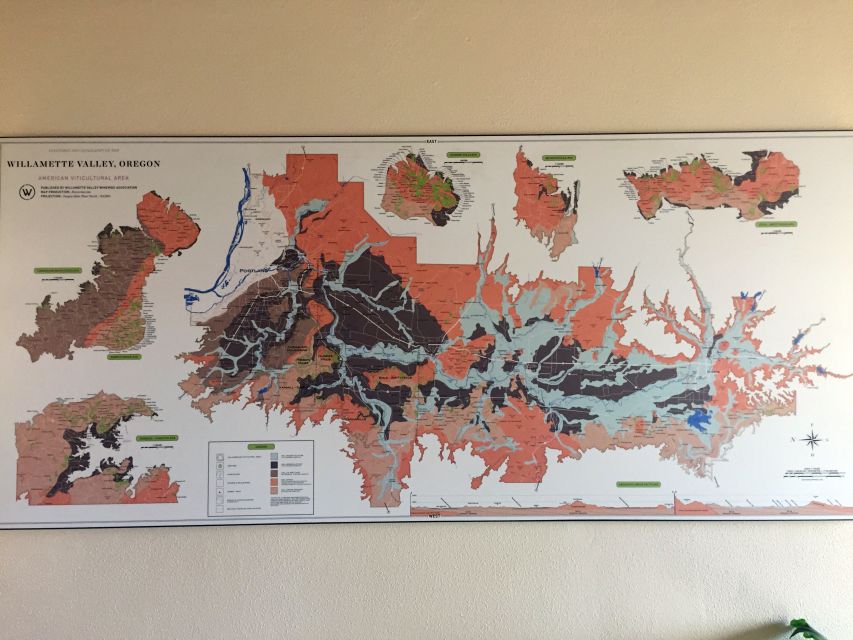
The tour is customized to 3–4 wineries in the Willamette Valley. The practical goal here is balance: enough stops for comparison, not so many that you feel cooked by the end. You’ll also move through rolling hills in multiple Willamette Valley sub-AVAs, which is key if you want to understand why Pinot Noir can taste different even when everyone claims it’s Pinot.
Each tasting is a chance to zoom in:
- At one stop you might focus on how the wine expresses the vineyard site.
- At another, the emphasis can shift to the people making it, their approach, or the style that winery leans toward.
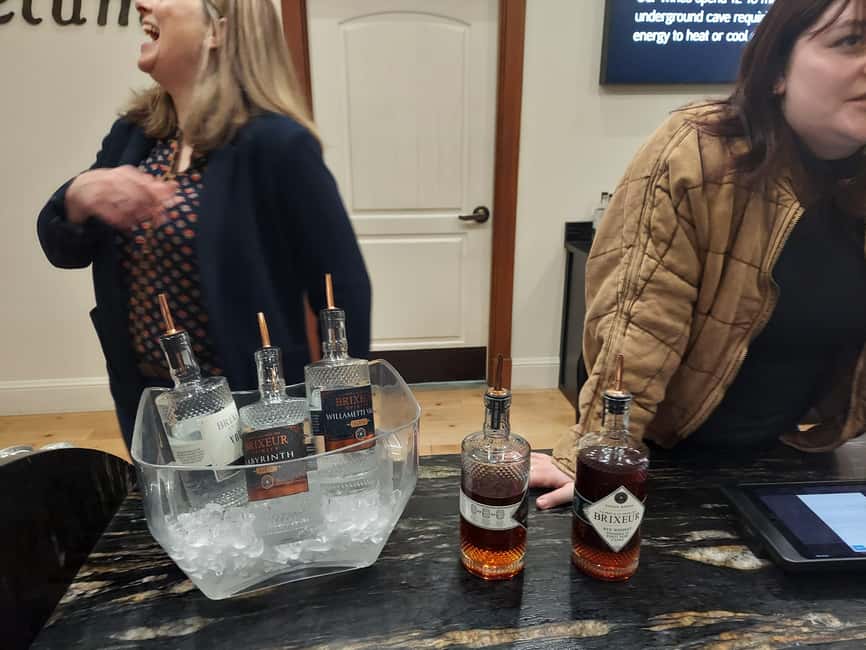
Wine tasting fees are not included, but the tour description notes they’re generally waived with bottle purchases. That’s why I treat this tour like a “buy something if you love it” day, not a “taste for free no matter what” day. If you end up buying at least one bottle, it can help your total cost feel more reasonable.
A small caution: the last stop may not be everyone’s favorite. One guide-led day ended with a bit of disappointment for someone who wanted a more classic winery experience plus a deeper wine-maker story, rather than a growers cooperative-style ending. Your best move is to keep expectations flexible: some stops can be more winery-forward, others more producer- or agricultural-forward.
Lunch at the Second Winery (and It Works With Dietary Needs)
One of the smartest built-in choices here is lunch at the second winery. That timing matters because it keeps you from tasting on an empty stomach or overeating too late. You’ll be served a lunch platter, and it’s accounted for your dietary needs.
I like this setup because it reduces decision fatigue. Instead of hunting for food, you’re already in a winery environment where lunch fits the rhythm of the day. Also, platter-style meals are easier to serve consistently across a group, which helps the schedule stay on track.
Do yourself a favor and eat before you chase a fourth tasting glass. Pinot can be sneaky—smaller sips, bigger effect. Lunch gives you a reset.



Snacks, Water, and the Chance for a Farm Stand Stop
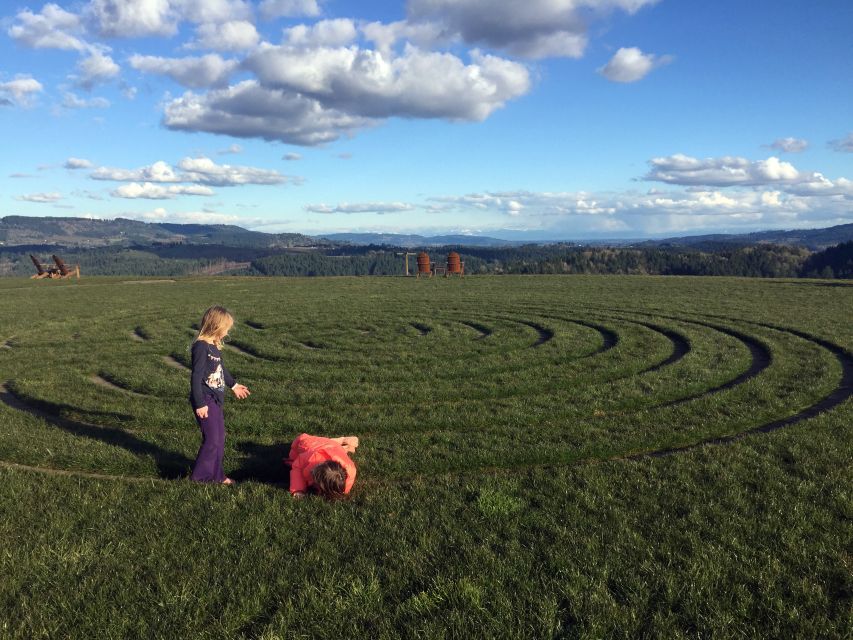
Between tastings, you’ll have snacks and bottled water. Those sound basic, but on a winery day they prevent the most common problems: headaches, crankiness, and the kind of “I can’t taste anything now” fog.
You also might stop at a farm stand. The tour description specifically suggests you could pick up farm-fresh eggs or fruits, nuts, and vegetables. Even if you don’t buy anything, it’s a useful moment to see how the valley produces food beyond grapes. It also helps you picture the regional economy behind the wine, which makes the tastings feel less like a separate hobby and more like part of a bigger place.
Pinot Noir in the Willamette Valley: What You’re Actually Learning
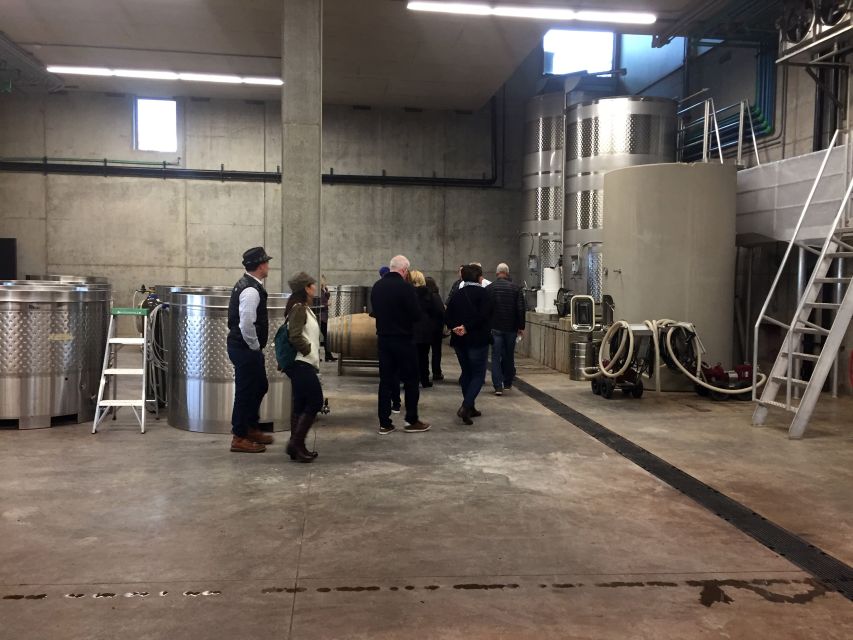
This tour is centered on the Willamette Valley, and the big draw is Pinot Noir. The region is described as the most renowned wine appellation for Pinot Noir in the USA, so you’re coming to the heart of the action. What makes tasting here more meaningful than a random winery visit is how the valley’s sub-AVAs and vineyard sites can shift the character of the grapes.
When your guide gives you background on terroir, it’s not abstract. It’s meant to give you a framework for tasting:
- How the area’s conditions influence acidity and structure
- How vineyard site choices can change what you feel in the glass
- How different producers create different expressions while still being unmistakably Pinot
And because you’re learning the how-to of tasting, you’re more likely to leave the tour with a clearer sense of what you like and why. That’s the real win. Otherwise, wine days can turn into a pleasant blur with no memory of preferences.
Price at $199: Where the Value Really Comes From
At $199 per person for a roughly 7-hour day, you’re paying for more than wine. Here’s what you’re getting that makes the math make sense:
Included items:
- Hotel pickup and drop-off in Portland
- A guide
- Lunch
- Snacks
- Bottled water
Not included:
- Wine tasting fees (often waived if you buy bottles)
- Tips (customarily 15%, and more is always acceptable)
So the value isn’t just the bottle count. It’s transportation plus a guide plus food plus structured stops. If you tried to replicate this yourself—designing a route, booking tastings, handling lunch, and getting everyone to the same pickup point—you’d likely spend similar money even before considering your time and stress.
Your final cost will depend on how many bottles you choose to take home and whether each stop waives fees with purchases. But as a “guided day that actually teaches you something,” the price feels aligned with what wine tourism costs in Oregon.
A Quick Reality Check on Tasting Fees and Tipping
Wine tasting fees are generally not included, and tip is expected. That’s normal. Your best planning move is simple: decide in advance how you want to handle purchases.
If you’re the type who always buys a souvenir bottle, this tour can be very efficient. If you’re mostly there to taste and compare, you may feel the fees more. Either way, bring payment options for tips. The tour notes that guides commonly accept cash, Venmo, PayPal, Zelle, and/or Cash App.
Also, you’ll need to be 21+ and bring ID or a passport for proof of age.
Who This Tour Suits Best (and Who Should Skip)
This is a great fit if you:
- Want Pinot Noir focused touring with guided help
- Like learning about geology, history, and culture alongside tastings
- Prefer a small group where you can ask questions
- Appreciate a schedule that includes lunch instead of forcing you to improvise
I’d think twice if you’re:
- Pregnant, since wine tasting isn’t recommended during pregnancy
- Looking for a completely free tasting day where you never pay tasting fees or tip (because tasting fees and tips are part of the real-world experience)
If you’re traveling solo, this can still work well because the small group size helps you feel included rather than stranded.
Practical Tips I’d Use Before You Go
A few small moves make a big difference on a wine day:
- Bring a passport or ID card (you must be 21+)
- Wear comfy shoes for walking in and out of tasting rooms
- Bring a light layer; Oregon weather can shift quickly even when the day starts pleasant
- Sip water between tastings so you can actually taste the differences
- If you’re sensitive to strong smells or busy rooms, pace yourself and take breaks outside when offered
And if you have a preference for winery-style stops versus growers-cooperative-style stops, keep an open mind. The itinerary is customized, and the last stop is where one person felt the style mismatch.
Should You Book This Willamette Valley Character Wineries Tour?
If you want a guided Willamette Valley day where Pinot Noir tasting is paired with real learning and a real schedule, I think this tour is an easy yes. The strongest value is the guide: when the person behind the storytelling can also explain geology and history in a way that helps your tasting make sense, you leave with better memories, not just better receipts.
I’d only hesitate if you’re very particular about getting a classic winery wine-maker narrative at every stop—because there’s a chance the ending could feel less winery-forward. Still, even then, you’ll likely enjoy the main pieces: small-group pacing, lunch at the second stop, and the terroir-focused Pinot experience.
For many Portland visitors, this is one of the best ways to make a day in Oregon feel like it belongs to you, not just to your calendar.
FAQ
How long is the Willamette Valley character wineries tour?
It lasts about 7 hours, and starting times vary by availability.
How many wineries will I visit?
The tour is described as a customized day with 3 to 4 wineries.
What does the tour include?
Hotel pickup and drop-off in Portland, a guide, lunch, snacks, and bottled water are included.
Are wine tasting fees included?
No. Wine tasting fees are generally not included, though they are often waived with bottle purchases.
What is the price of the tour?
The price is listed as $199 per person.
Do I need ID or a passport?
Yes. You’ll need a passport or ID card, and travelers must be 21 or older for wine tasting.
Is lunch included, and what about dietary needs?
Lunch is included and is served as a platter at the second winery, accounting for your dietary needs.
What should I bring?
Bring your passport or ID card.
Is pickup from my Portland hotel included?
Yes. Pickup and drop-off are included, and you’ll wait outside for a black high-top extended-length van unless a different vehicle is provided.
Is there free cancellation?
Yes. Free cancellation is available up to 24 hours in advance for a full refund.