REVIEW · PORTLAND OREGON
From Portland: Willamette Valley Full-Day Wine Tour
Book on GetYourGuide →Operated by A Great Oregon Wine Tour · Bookable on GetYourGuide
Portland to wine country, with real stories. This full-day tour is built around door-to-door comfort and a picnic lunch stop, plus a guide who turns the Willamette Valley into a hands-on history lesson while you taste at three wineries. You’ll ride southwest of the city, learn about the valley’s formation and the pioneers who shaped it, then swap notes with an English-speaking guide who genuinely enjoys questions.
One thing to plan for: tasting fees are not included and can add up. The tour lists fees in a $35 to $60 range, but some wineries can run higher, and the overall experience level can feel more polished at certain stops than others.
In This Review
- Key Things I’d Put on Your Radar
- From Downtown Portland to the Willamette Valley, You’re Not Driving
- The “Edutained” Part: Geology and Pioneer Stories While You Taste
- Three Wineries, Three Different Personalities
- Allergy and comfort reality check
- The Second-Winery Picnic Lunch (Wine Country, Not a Food Court)
- Cost and Value: $205 Adds Up Fast Once Fees Enter
- Small Group Dynamics: Up to 10 People, Better Conversation
- What to Bring (and What Not to Do) for a Smooth Wine Day
- Who This Tour Fits Best (and Who Should Skip It)
- Should You Book This Portland to Willamette Valley Wine Tour?
- FAQ
- How long is the Willamette Valley full-day wine tour from Portland?
- How many wineries do you visit?
- Is tasting fee included in the ticket price?
- Do you get picked up in downtown Portland?
- Is the tour suitable for wheelchair users or children?
- What should I bring and what rules apply?
Key Things I’d Put on Your Radar
- Small group limit (10 people) keeps the day from feeling like a cattle call.
- Door-to-door pickup in downtown Portland saves you the headache of arranging rides.
- History + wine in the same hour makes the tasting more than just drinking.
- Lunch at the second winery means you’re not stuck eating later with no momentum.
- Hospitality varies by winery: some setups feel structured and tidy, others more casual.
- Allergy and comfort heads-up: at least one stop has been described as having roaming dogs.
From Downtown Portland to the Willamette Valley, You’re Not Driving
This is a full-day outing clocking in at 450 minutes (7.5 hours). You start downtown Portland with pickup included, and you’re expected back by around 5:00 if traffic behaves. That timing matters, because the Willamette Valley is a long way from “quick half-day.” Here, the schedule is the point: you’ll have time to taste, ask questions, take photos, and still get back without stretching the day into a late-night mess.
I also like how transportation is handled end-to-end. When you don’t have to drive and park, you can treat tastings as tastings, not stressful logistics. It’s also a relief if you’re planning a day around wine but don’t want the risk of trying to coordinate between multiple cars or rideshare pickups.
The tour includes plenty of water, which helps. Still, remember that you’re tasting alcohol at multiple stops, so pace yourself early. Your biggest enemy on a wine day is rushing through the first pour like it’s a checklist.
You can also read our reviews of more wine tours in Portland Oregon

The “Edutained” Part: Geology and Pioneer Stories While You Taste
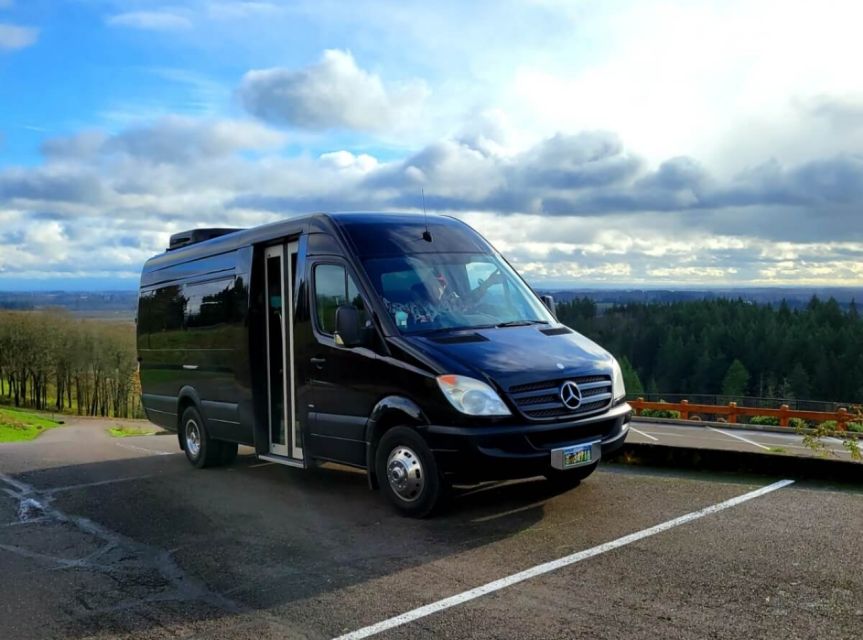
What makes this tour different from a basic wine hop is that the guide is actively explaining what you’re seeing and why it matters. On the drive southwest of Portland, you learn about the valley’s geological formation and the pioneers who started the whole thing. It’s not presented as a lecture you have to endure. The vibe is more like, you ask, and you get answers—plus a little entertainment on the side.
That matters for two reasons. First, it gives context to what you taste later. Even if you’re not trying to become a wine scholar, you’ll likely find your notes get more interesting when you understand the land and the people behind it. Second, it keeps the day from going flat. If the tastings blur together, the story thread is what ties it together.
The guide’s role is also your built-in advantage for questions. This tour leans into curiosity: you can ask about the wineries, the wines, and the region without feeling like you’re bothering someone between pours. If you enjoy talking—whether you’re a total beginner or you already have opinions—this format fits well.
Three Wineries, Three Different Personalities
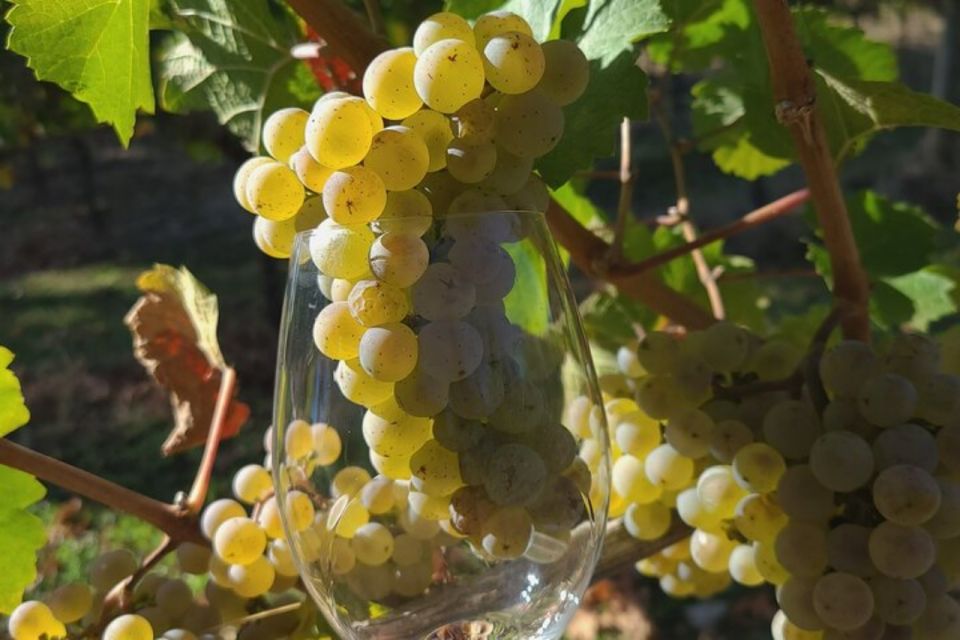
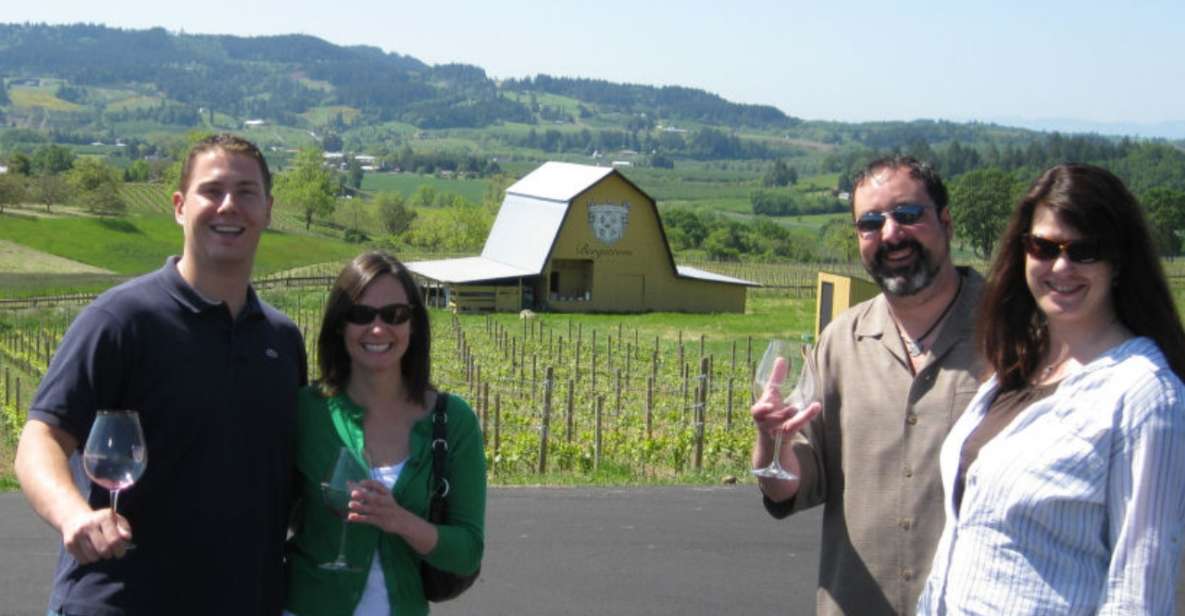
You’ll visit three wineries with a hand-picked selection. The key word there is selection. Each stop can feel different in terms of structure, hospitality, and how the tasting is presented.
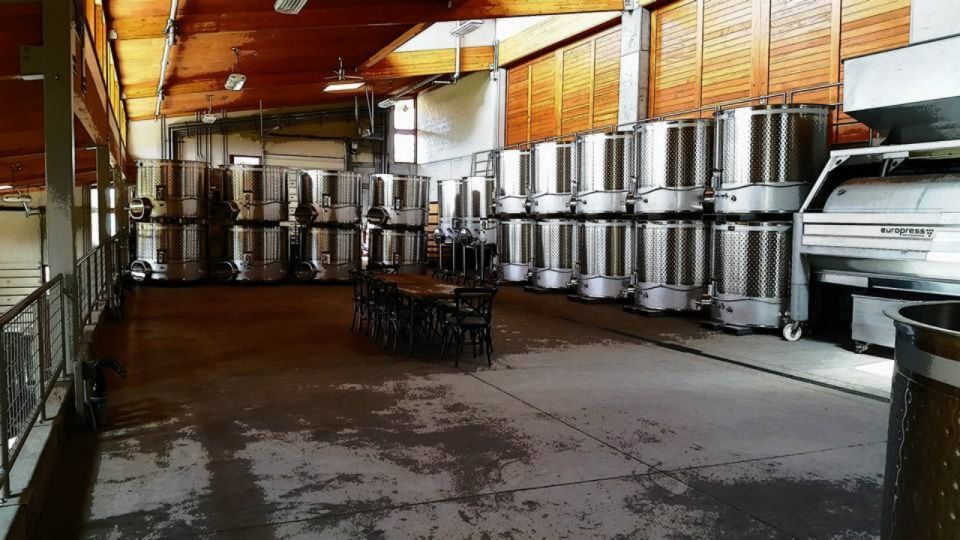
In the best moments, this tour hits a sweet spot: an organized host, a clean and comfortable setting, and a tasting flow that feels intentional. One winery described as setting the bar was Winderlea Vineyard, with a professional host and a structured tasting that made the fee feel justified.
Some days may also include Moffet Winery, which is specifically called out as a favorite. That usually signals a stop where the wine quality and host energy come through, and you’re not just getting handed a glass and left to figure it out.
On the other hand, not every tasting room setup lands the same way. One description flagged a more casual approach at Potter’s and Lichtenwalter—things like pre-poured carafes, paper cups outdoors, and water not being available unless asked. Even the vehicle commentary was mentioned as harder to hear in one case due to road noise, with a mic suggested for clearer guidance.
So here’s the practical takeaway: come ready to adapt. If you’re the type who wants everything to feel perfectly polished every hour, you might find unevenness. If you’re open to a mix of styles—some more formal, some more low-key—this tour can still be a great value because you get multiple stops plus the guide-led context.
Allergy and comfort reality check
One stop has been described as having roaming dogs, and that’s a real issue if you have allergies or strong preferences. If that’s your situation, it’s worth communicating your needs before you go and being prepared to ask where the tasting space is and whether pets are around.
The Second-Winery Picnic Lunch (Wine Country, Not a Food Court)
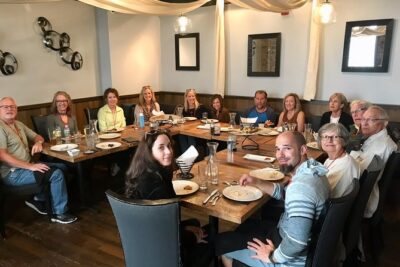
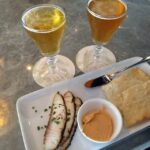
Lunch is served at the second winery in a picnic style, and you’ll enjoy it alongside the wine tasting. That’s smart scheduling. It breaks up the day so you’re not trying to power through all three tastings on empty stomach energy, and it keeps the momentum high—no long gap between activities.
I do like the concept of pairing lunch with the tour flow. In wine country, you want meals that feel part of the day, not an afterthought. A well-timed lunch also helps you taste responsibly, which keeps the day fun instead of foggy.
That said, one comment was sharply negative about lunch, calling it bad and scarce. I can’t promise portion sizes, because picnic setups can vary by winery. Your safest move is to eat a solid breakfast before pickup, and treat lunch as a bonus rather than the main meal that will carry you through the entire day.
If you have dietary restrictions, the tour says they will be catered to. If food matters to you, still bring a clear description of what you need, because “catered” works best when you’re specific.
You can also read our reviews of more tours and experiences in Portland Oregon
Cost and Value: $205 Adds Up Fast Once Fees Enter
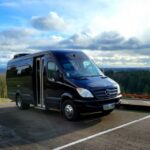
The price is $205 per person, and that covers the big infrastructure: door-to-door transportation, a custom itinerary, a guide, picnic lunch with wine tasting, and plenty of water. That’s a lot of what you’d otherwise pay for yourself in time, rides, and coordination—especially if you’re starting from downtown Portland without a car.
What’s not included: tasting fees. The tour information lists tasting fees as $35 to $60, and the minimum drinking age is 21. In at least one described case, tasting fees were higher than advertised, with figures like $45 to $90. So if you’re planning your total budget, I’d assume the top end is possible.
Here’s a realistic way to think about value:
- You’re paying for a guided day plus transportation plus lunch.
- Then you’re paying winery-by-winery for the privilege of tasting.
- So the tour is best value when you like both parts: the wine and the explanation.
Also note gratuity is not included. That’s standard for tours, but it’s still something to keep in mind so you don’t end up mentally short at the end of a long day.
Bottom line: if you show up ready to pay tasting fees on top of the base price, you’ll probably feel good about the spend. If you hate surprise add-ons, consider that tastings are the variable cost in this equation.
Small Group Dynamics: Up to 10 People, Better Conversation
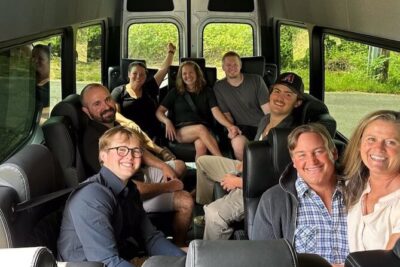
A small group size (limited to 10 participants) changes the whole tone. You’re more likely to hear the guide, get your questions in, and feel like the day is flexible instead of rigid. It also helps with photo stops because you’re not competing with a long line of strangers.
The tour encourages questions, and that’s easiest in a tight group. If you’re the type who likes to learn while you taste—ask why certain wines are served a certain way, what the hosts prioritize, or what the region’s past means—you’ll get more out of the day.
One practical caution comes from a specific complaint: in one instance, road noise in the guide’s personal vehicle made commentary harder to hear. You can’t control the road, but you can control how you sit—if the vehicle allows it, choose a spot where you can face forward and hear well. If you think you’ll struggle in noisy environments, bring any hearing support you normally use.
What to Bring (and What Not to Do) for a Smooth Wine Day
This tour is straightforward, but there are a few rules that can make or break your day if you ignore them.
Bring:
- Passport or ID card
- Comfortable shoes (you’ll be walking around vineyard areas and tasting rooms)
Plan around rules:
- The minimum drinking age is 21.
- Intoxication is not allowed, and excessive intoxication can lead to tour termination.
- No smoking in the vehicle and no smoking indoors.
Practical comfort tip: wear shoes you can stand and walk in for the whole day. Wine country isn’t a sit-and-sip-only situation. Also, if you’re sensitive to sound, pick your seat with the guide’s voice in mind.
And if you’re worried about water or pacing, don’t wait until you feel thirsty. The tour includes plenty of water, but some winery setups can be more basic than others. Asking for water when you need it is normal on these days, especially when hospitality styles vary.
Who This Tour Fits Best (and Who Should Skip It)
This is a great fit if you:
- want three winery stops without driving
- like pairing regional context (geology and pioneer history) with tastings
- prefer a small group and a question-friendly guide
- enjoy a day that balances fun with learning
It’s also a good match if you’re celebrating something, going with a friend, or traveling solo and want built-in conversation.
It may not be ideal if you:
- need a fully wheelchair-accessible tour (this one is not suitable for wheelchair users)
- are traveling with kids (not suitable for children under 18)
- expect every winery stop to feel equally polished and hospitality-heavy
- have allergy concerns, especially around roaming dogs
If you’re the type who wants a perfectly consistent, high-touch experience at every single stop, you might feel frustrated by variability in tasting-room setups. The flip side is that you’re still getting a guided day, transportation, and lunch, and the strongest stops can feel very worth it.
Should You Book This Portland to Willamette Valley Wine Tour?
I’d book it if you want a guided, small-group day with meaningful context, not just three quick tastings and a long drive. The value comes from the full-day structure: pickup, transportation, a guide who explains the region’s story, and lunch that keeps your energy up. When the hosts are on point, the day can feel both fun and educational.
I’d pause or ask more questions before booking if you’re budget-sensitive about tasting fees, have allergies affected by pets, or you’re expecting the same level of service at every stop. If that’s you, plan for the extra tasting cost and come prepared to communicate needs early.
If you want wine country with a brain attached—and you’re okay with a couple of stops feeling more casual than others—this tour is a very reasonable way to spend your day in the Willamette Valley.
FAQ
How long is the Willamette Valley full-day wine tour from Portland?
It lasts 450 minutes, which is about 7.5 hours.
How many wineries do you visit?
You visit 3 wineries.
Is tasting fee included in the ticket price?
No. Tasting fees are not included and are listed as $35 to $60 (some wineries may cost more).
Do you get picked up in downtown Portland?
Yes. Pickup is included from downtown Portland accommodations.
Is the tour suitable for wheelchair users or children?
No. It is not suitable for wheelchair users and children under 18.
What should I bring and what rules apply?
Bring passport or ID and comfortable shoes. The tour requires a minimum drinking age of 21, does not allow intoxication, and prohibits smoking in the vehicle and indoors.