REVIEW · PORTLAND
Portland, Maine: Black History Guided Walking Tour
Book on Viator →Operated by Portland by the Foot · Bookable on Viator
Portland hides Black history in plain sight. This 2-hour guided walk covers key sites around Portland’s East End and waterfront, with mobile tickets in English and a max group size of 15. It’s led by Dugan, a local guide known for tying landmark details to real people and real decisions.
I like the stop-by-stop storytelling that connects freedom, democracy, and equality to places you can still see. I also like the visuals, including pictures Dugan shares along the way, which makes the stories much easier to hold onto while you’re walking.
One thing to plan for: Portland is hilly. You’ll walk uphill sometimes, including a staircase of 17 steps, and the pace can feel brisk, so comfy shoes matter.
In This Review
- Key Highlights You’ll Actually Feel on the Walk
- Entering First Parish and Getting Your Bearings in Portland
- Downtown with Dugan: Abyssinian Roots, Activism, and Passing
- Commercial Street: Waterfront Work, Political Power, and Wartime Community
- Old Port at the Eastern Waterfront: Underground Railroad Courage and Civil Rights Memory
- What the Donation and Partner Perk Add to the Price
- Terrain, Timing, and How to Prep So You Enjoy It
- Who This Tour Fits Best (and Who Might Want to Skip It)
- Should You Book This Portland Black History Guided Walking Tour?
- FAQ
- How long is the Portland Black History guided walking tour?
- What does the tour cost?
- How many people are in the group?
- Where does the tour start?
- Where does the tour end?
- Is the tour offered in English, and do I get a mobile ticket?
- Are admissions included at the stops?
- Are pets allowed?
- Is the tour fairly active?
Key Highlights You’ll Actually Feel on the Walk
- Small group (up to 15): You get room for questions without the tour feeling rushed.
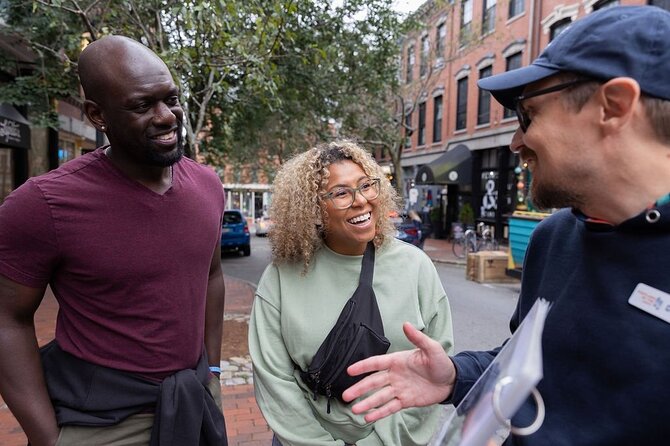
- Dugan’s presentation style: Strong organization plus lots of Q&A support on the spot.
- Downtown to waterfront route: You cover multiple historic settings where Portland’s Black community shaped the city.
- Abyssinian Meeting House connection: Your ticket includes a donation aimed at restoring this important site.
- Underground Railroad and civic power themes: You’ll hear how local action connected to national change.
- Real-world terrain prep: Hills, brick/cobblestones, and steps mean you should dress and pace smart.
Entering First Parish and Getting Your Bearings in Portland
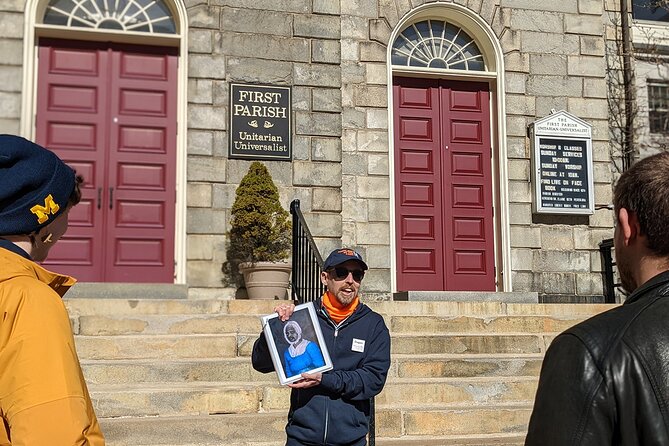
The tour starts at First Parish in Portland (Unitarian Universalist), 425 Congress St. From the first minutes, the focus is clear: Portland’s Black story isn’t a side note. It’s braided into the city’s institutions, workplaces, worship spaces, and politics.
What makes this opening feel good is how Dugan frames the walk. You’re not just collecting facts; you’re building a map of influence. The tour centers on the idea that Black Mainers helped move the city, the state, and the country closer to freedom and equality, even when the odds were brutal.
If you want a simple tip for day-of success, it’s this: arrive a few minutes early and take a slow breath before you start walking. With a guide who answers questions well, the first stop sets the tone for what comes next.
You can also read our reviews of more walking tours in Portland



Downtown with Dugan: Abyssinian Roots, Activism, and Passing
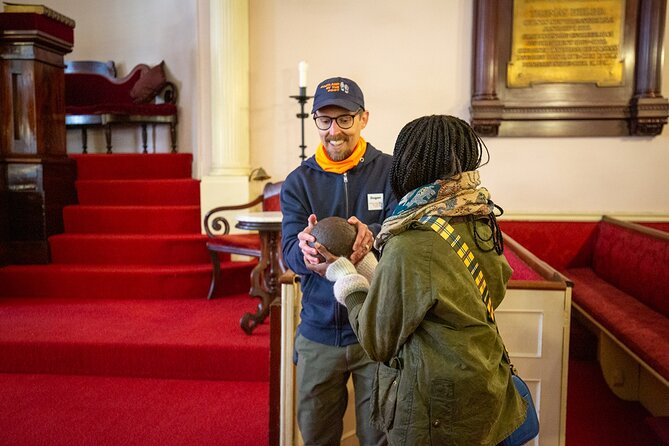
The downtown stretch runs about 50 minutes. You’ll spend this time tracing Black Mainers and the achievements that helped shape the ideals we usually talk about in textbooks.
A big part of the Downtown portion is learning how specific sites connect to deeper stories. You’ll hear about places such as the Abyssinian Meeting House and Green Memorial Church, plus the Portland Observatory and other landmarks along the route. The tour explains how these locations fit into lived community life, not just a list of dates.
This is also where some of the most surprising themes show up. You’ll hear about:
- hidden Black history that predates slavery in Maine
- a largely unknown but well-connected 19th-century international activist hiding in plain sight
- complicated history of racial passing at high levels in 19th-century Catholic Maine
That blend matters. It prevents the tour from turning into a single-note story. Instead, you get a more accurate picture of how identity, religion, power, and survival played out in northern places too—long before many visitors expect to see it.
One practical consideration: Downtown walking in Portland can mean uneven sidewalks. Expect traction challenges if it’s wet or icy, since some routes include brick and cobblestone surfaces. Go slow at intersections and you’ll enjoy the pacing instead of fighting it.
Commercial Street: Waterfront Work, Political Power, and Wartime Community

Commercial Street is shorter—about 20 minutes—but it hits hard. This section zooms in on the waterfront and the people who shaped Portland’s maritime life and helped earn influence when discrimination was the default setting.
Here, Dugan points you to where Black leaders and laborers shaped the Portland waterfront—and how they earned a seat at the table. You’ll hear about Black maritime skill and labor that often gets left out of the usual waterfront story.
You’ll also get a strong sense of how waterfront work connected to civic life. The tour highlights:
- architecture and antebellum Black Portland’s political power
- the way Black Portlanders moved through public life when rights were denied
- the WWII-era Black social scene and the people who carried that momentum forward
One especially memorable theme in this part is the Black journalist who decided to leave the US behind and seek self-determination in a newly founded African nation. Even if you don’t know the name yet, the story works because it shows agency. This isn’t only about what was taken away; it’s also about the decisions people made next.
If you’re a history nerd, this is your section. If you’re not, it still works because the waterfront is an easy place to understand. You can look around, imagine the labor, and then connect that to the people the tour brings to the surface.
Old Port at the Eastern Waterfront: Underground Railroad Courage and Civil Rights Memory
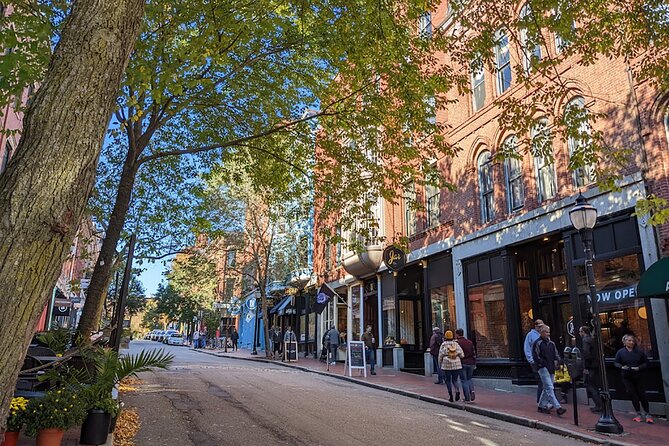
Old Port takes about 50 minutes, and it’s the densest “story per block” part of the walk. You’ll follow Dugan through a historically Black section on the eastern end of the waterfront—exactly where you might miss the past if you weren’t being guided.
This segment emphasizes community building and local action over vague generalities. You’ll hear how Black Portlanders:
- founded Maine communities
- overturned slavery statewide
- drove maritime industries
- swung elections
- founded houses of worship
- crossed color boundaries
- expanded rights into the modern era
That’s a lot for one walking loop, so it helps that Dugan keeps tying each thread back to what you can see. The tour doesn’t just say something important happened. It shows you where the setting mattered.
Some standout themes include:
- the story of an enterprising young Black man who forged his own path in the legal field
- brave people who risked federal prosecution by aiding and abetting freedom seekers from the South via the Underground Railroad
- a tight-knit community that worked together to improve life for themselves and others
- the importance of Black Portlanders to the maritime economy in the age of sail
- the beating heart of the civil rights movement, with leaders whose impact still matters today
- a surprising account of a Black minister who convened an expatriate Black community to help rewrite the US Constitution
When the tour moves into civil rights leadership and constitutional ideas, it can feel like the walk jumps time. That’s intentional. Portland’s Black story isn’t trapped in the past. The tour uses waterfront locations as anchors, then follows the chain forward.
What the Donation and Partner Perk Add to the Price
At $54.00 per person for about two hours, this is priced like a serious guided experience, not a casual chat walk. The value comes from a few concrete elements you can feel.
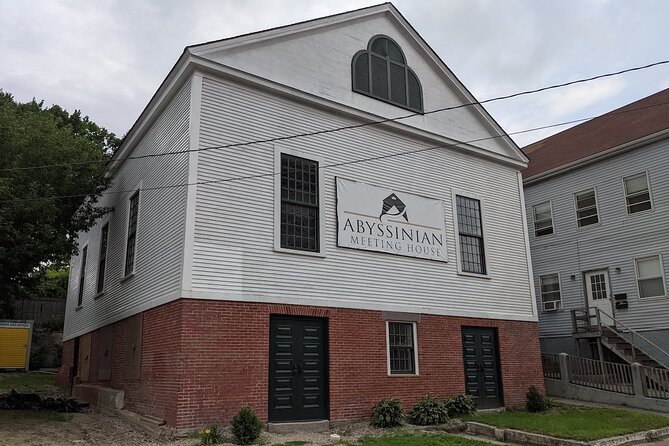
First, your ticket includes a donation toward restoring the Abyssinian Meeting House, described as America’s third-oldest standing Black church. Even if you don’t know the building yet, the tour gives you reasons to care. You’re not just hearing about heritage; part of your payment supports preservation.
Second, you get a 10% discount toward water tours with Portland Paddle, with instructions provided at confirmation. If you’re the kind of visitor who likes to mix walking with something on the water, this perk can help stretch your day.
Finally, there’s the small-group factor. With a max of 15 travelers, Dugan can keep the group engaged and respond to questions in a way that’s hard to pull off with bigger crowds. You feel it when the tour stays conversational, not robotic.
You can also read our reviews of more guided tours in Portland






Terrain, Timing, and How to Prep So You Enjoy It
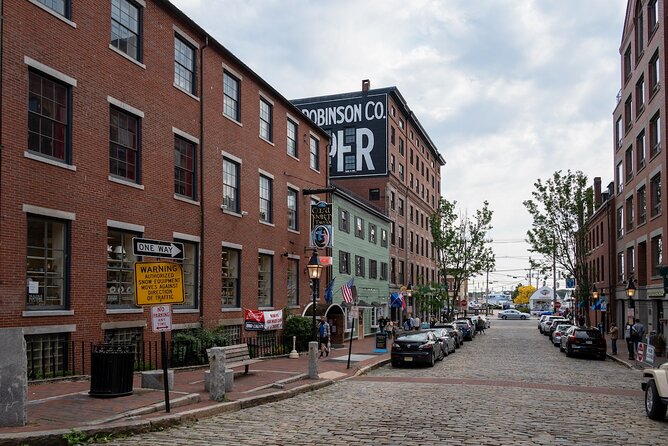
The tour runs about 2 hours, and the walking includes uphill sections. Portland is hilly, and you’ll also face a staircase of 17 steps. On top of that, some sidewalks can be uneven, including brick and cobblestone.
So here’s the plain advice that keeps people happiest:
- Wear shoes with real grip.
- If it’s cold, layer up. The tour length plus time outdoors means you want warmth without bulky pain.
- Plan to walk at a steady pace. This tour can feel brisk, and that’s tied to how Dugan stays on schedule while covering a lot of material.
The good news: the tour says most travelers can participate. That usually means it’s not some extreme endurance hike, but it does mean you should respect the streets and stairs like they matter. They do.
Also note: the tour allows service animals. Pets are not allowed unless medically required. That’s useful if you’re traveling with an animal who needs to come along.
Who This Tour Fits Best (and Who Might Want to Skip It)
This tour is a great match if you want Portland with context—Portland where the story goes beyond what you’ll see on typical sightseeing plaques. If you care about how communities built power through work, worship, politics, and courageous action, you’ll find plenty to connect.
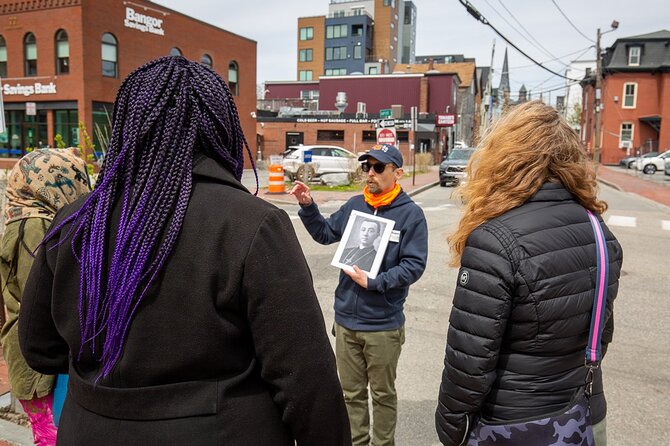
It’s also a smart choice if you like guides who can answer follow-up questions. Dugan’s approach comes through in the way the stories are organized and explained, with extra materials like pictures to help you visualize people and places.
You might consider a different plan if:
- you hate stairs or struggle with uphill walking
- you’re trying to do a very packed schedule with no buffer time for walking pace
- you’re looking for a mostly flat, low-effort stroll
For many visitors, it’s exactly the right balance: structured and educational, yet grounded in streets you can walk right after.
Should You Book This Portland Black History Guided Walking Tour?
I think you should book it if you want to see Portland with sharper eyes. For $54, you’re buying two hours of guided interpretation, plus a donation to restore a key Black historic site, plus a discount tie-in to a water activity. The small group size and Dugan’s question-friendly style make it feel like a guided class that also happens to move through the city.
It’s also a good booking decision because the tour is limited to 15 travelers and tends to be booked about 25 days in advance on average. If you’re visiting during busy weeks, earlier planning is the move.
FAQ
How long is the Portland Black History guided walking tour?
It runs about 2 hours.
What does the tour cost?
The price is $54.00 per person.
How many people are in the group?
The tour is capped at a maximum of 15 travelers.
Where does the tour start?
The meeting point is First Parish in Portland (Unitarian Universalist), 425 Congress St, Portland, ME 04101.
Where does the tour end?
The tour ends at Eastern Cemetery, 224 Congress St, Portland, ME 04101.
Is the tour offered in English, and do I get a mobile ticket?
Yes. It is offered in English and includes a mobile ticket.
Are admissions included at the stops?
Admission is listed as free for the tour stops.
Are pets allowed?
Pets are not allowed on tours unless medically required.
Is the tour fairly active?
Yes. Portland is hilly, you’ll walk uphill sometimes, and there is a staircase of 17 steps. Most travelers can participate, but wear comfortable shoes.
If you want, tell me when you’re visiting Portland (month and day-of-week), and I can suggest a simple way to pair this walk with nearby sights and food without overloading your schedule.
You Might Also Enjoy

More Walking Tours in Portland


More Tours in Portland
- The Real Portland Tour: City and 3 Lighthouses Historical Tour with a Real Local
★ 5.0 · 1,448 reviews





More Tour Reviews in Portland
- The Real Portland Tour: City and 3 Lighthouses Historical Tour with a Real Local
★ 5.0 · 1,448 reviews