REVIEW · PORTLAND
Columbia Gorge Scenic Bikeway full day ride
Book on Viator →Operated by Around Portland Tours · Bookable on Viator
A full day of biking and waterfalls. This Columbia Gorge Scenic Bikeway ride is built for people who want big scenery without having to plan a thing: you get a guided route with standout stops like Multnomah Falls and the gorgeous run out toward Cascade Locks, plus a small group capped for comfort. I especially like how the day has flexibility, from short viewpoint hikes to choosing whether to press on toward Rowena Crest (with help) or turn back for a well-known climb. One thing to consider: it’s still a long bike day (about 6 hours riding), so you’ll want moderate fitness and real saddle time.
From Portland, you’ll spend around 40–90 minutes each way in the support vehicle, then it’s pedal time. The route has a mix of climbs and downhill segments, and you’ll follow a protected bicycle/pedestrian pathway for long stretches—great when you’re trying to keep your effort steady while you soak in the gorge views. If you’re expecting a quick, casual ride, this is more like a well-paced day hike that happens to be on a bike.
In This Review
- Key Highlights to Know Before You Go
- Entering the Gorge: Chanticleer Point to the Waterfall Mile Markers
- Portland Timing: How the 8 Hours Work in Real Life
- Waterfall Route Highlights: Vista House, Latourell, Wahkeena, Multnomah
- Stop 1: Vista House
- Stop 2: Latourell Falls
- Stop 3: Wahkeena Falls
- Stop 4: Multnomah Falls
- Protected Pathway Riding and the Gorge’s In-Between Magic
- The Middle Stops: Horsetail Falls, Oneonta Gorge, Elowah Falls
- Horsetail Falls (Columbia River Gorge)
- Oneonta Gorge
- Elowah Falls
- Cascade Locks Finish: Where the Views Open Up
- Rowena Crest Choice: Van Help vs. Turning Back Up the Climb
- Bike Support You Can Feel: Hybrid Bikes, Helmet, Snacks, Water
- Lunch Break: Optional Wine or Cider and Cost on Your Own
- Who This Ride Fits Best (And Who Should Skip It)
- Price and Value: Is $190 Worth a Full Waterfall Day?
- Quick Booking Reality Check (Without the Fine Print)
- Should You Book the Columbia Gorge Scenic Bikeway Full-Day Ride?
- FAQ
- How long is the Columbia Gorge Scenic Bikeway full-day bike ride?
- What is the route distance?
- What’s included in the price?
- Is lunch included?
- Do I need moderate fitness?
- How many people are in the group?
Key Highlights to Know Before You Go
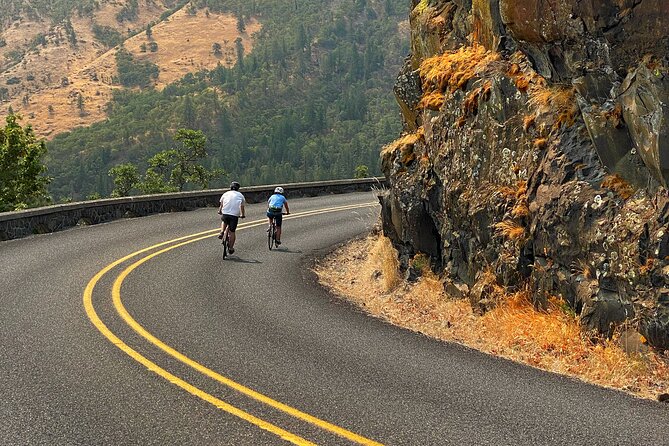
- Small group, big scenery: capped at 12 riders for safety and smoother pacing
- Real waterfall concentration: multiple major drops including Multnomah and Wahkeena
- Comfort-first gear: hybrid bike + helmet, plus bottled water and snacks
- Protected pathway time: long stretches that feel easier than traffic-heavy riding
- Choice at the top end: options for Rowena Crest with van help or turning back up a classic climb
- Guide storytelling you’ll remember: you may pick up fun pop-culture references while learning the area
Entering the Gorge: Chanticleer Point to the Waterfall Mile Markers
The day starts with a short setup at the shop, then you get fitted on a hybrid bike and helmet. After that, you head toward Chanticleer Point, a high starting area around 800 feet. This is a smart choice. Starting higher means you get the kind of down-and-out views the Columbia Gorge is famous for, without having to spend the whole day climbing and climbing.
Once you begin, the ride has that “always something ahead” rhythm. You move from overlooks to waterfall areas, and the guide builds in photo stops plus occasional short walks. The Cascades here are more than postcard moments. They’re dramatic in person, and the stops are timed so you can look, stretch, and catch your breath without turning the day into a long parking-lot shuffle.
Chanticleer Point also sets you up for the main decision of the day: continue onward toward Rowena Crest or turn back and ride one of the classic climbs. That choice matters because it changes how the day feels—some people want the added payoff of another big vista, while others prefer closing the loop with a route that’s more predictable.
You can also read our reviews of more tours and experiences in Portland
Portland Timing: How the 8 Hours Work in Real Life
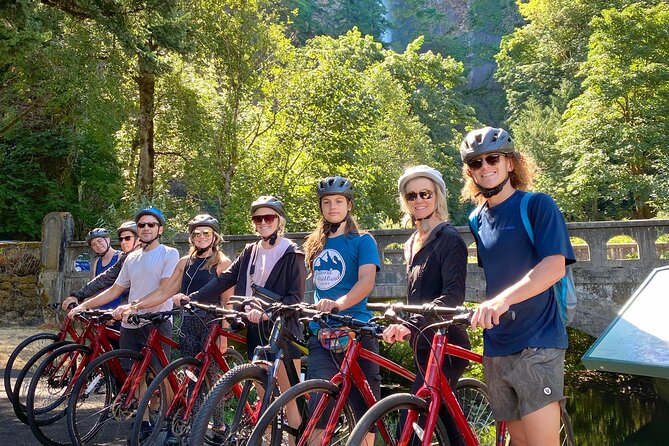
On paper, it’s about 8 hours. In practice, plan for a full morning out the door. You meet at 8:00 am at 833 SE Main St, Portland. Then there’s a 40–90 minute vehicle ride each way from Portland, depending on how your group is set up.
That matters because it changes what you should pack mentally. You’re not just riding for 8 hours—you’re doing a day-trip with movement, gear checks, and waterfall stops. The actual biking is about six hours, which is the part your body will notice. If you’re someone who rides casually but doesn’t do long distances, you’ll still be okay with the help of a guided, paced route, but you shouldn’t assume this is easy-peasy.
The good news is that the group size stays small. With up to 12 riders, the guide can keep track of pace and comfort. The result is less waiting around and fewer “speed mismatch” moments than you often get on larger group outings.
Waterfall Route Highlights: Vista House, Latourell, Wahkeena, Multnomah
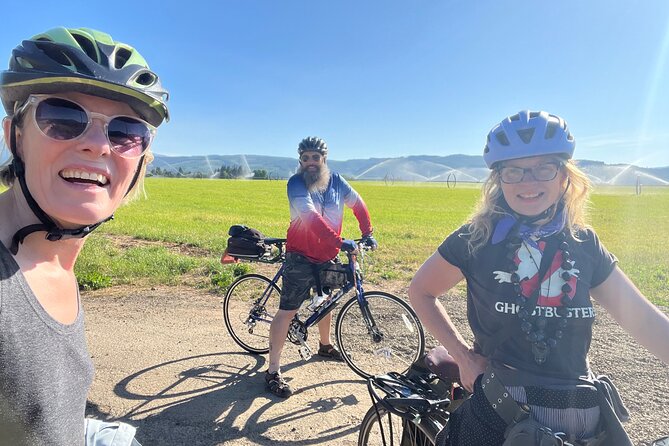
The route hits the kind of waterfall list you usually see on a long scenic drive. Instead, you get to experience them in motion, with breaks that feel purposeful.
Stop 1: Vista House
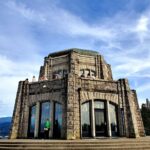
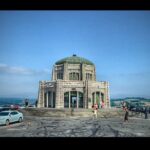
Vista House is the first big visual anchor. It’s the sort of stop where you instantly understand why people stop here even if they’re not biking. You’ll get a chance to take in views from a standout vantage point and get your bearings early. One of the best parts of starting with this stop is psychological: after you’ve seen the scale of the gorge, the rest of the ride feels more connected.
Stop 2: Latourell Falls
Latourell Falls gives you a different angle and texture than the biggest headline falls. You’ll get time for photos and quick stops. The key value here is pacing: Latourell is close enough to keep momentum, but it breaks the day up so you don’t end up riding nonstop between major moments.
- The Real Portland Tour: City and 3 Lighthouses Historical Tour with a Real Local
★ 5.0 · 1,448 reviews
Stop 3: Wahkeena Falls
Wahkeena Falls keeps the momentum going. This is where the gorge starts to feel lush and close-up. The stops are short—built for looking, snapping photos, and moving on. That’s ideal if you like waterfalls but don’t want a day where every stop turns into a half-hour detour.
Stop 4: Multnomah Falls
Multnomah Falls is the obvious star, and the tour uses that payoff well. You’ll have a chance to visit briefly for photos and then keep rolling. You don’t need to spend the whole day at just one waterfall to feel like you got your money’s worth.
A detail I really like: the guide doesn’t just point. The storytelling can add extra enjoyment. You might even hear fun pop-culture references as you pass landmarks—like the Twilight nods people have mentioned—so the gorge feels alive, not like a slideshow.
Watch-out: since you’re stopping more than once, you’ll want to keep an eye on your effort. If you sprint early, the mid-day pace can hit harder once you’ve accumulated climbs and stop-start moments.
Protected Pathway Riding and the Gorge’s In-Between Magic
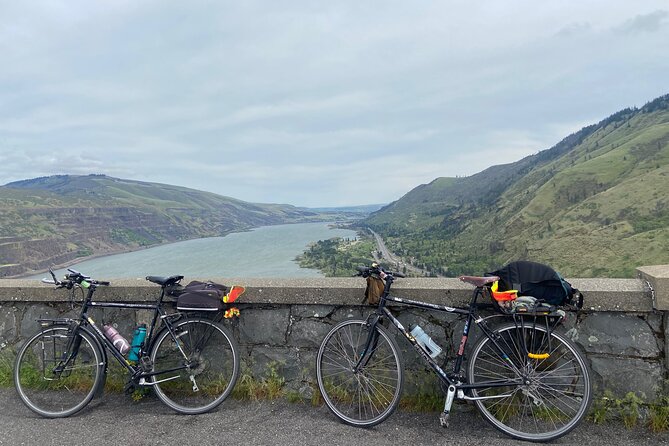
After the waterfall run, you’ll transition onto a protected bicycle/pedestrian pathway for a dozen or more miles. This is one of the best parts of the day because it changes the feel of the ride. Less attention goes to traffic, more goes into your cadence and enjoying the scenery.
On this section, you’re in that sweet spot where you can settle in. If you like the idea of a long, steady bike experience with scenery rolling past, this is where the tour does a great job of delivering it.
And it’s not just views. People note seeing animals too—things like sheep and pigs—so the gorge can feel a bit more like a living place than a scenic corridor.
The Middle Stops: Horsetail Falls, Oneonta Gorge, Elowah Falls
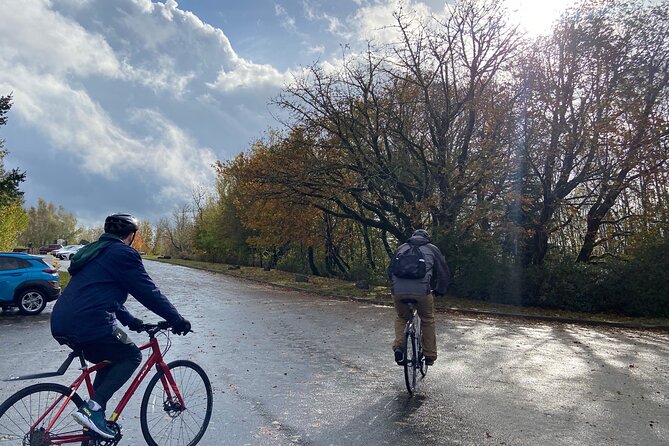
After you’ve had the easy-relief stretch of the protected pathway, the route continues through gorge highlights that each add something slightly different.
Horsetail Falls (Columbia River Gorge)
Horsetail Falls brings a more varied waterfall feel. It’s one of those spots where your first look tells you it’s worth slowing down. You get time for short visits and photos, then you’re back in the rhythm quickly.
Oneonta Gorge
Oneonta Gorge adds the “wow, nature is doing something weird and wonderful” factor. The stop here is about seeing the gorge features up close and taking in how the terrain shapes the water. It’s also a good checkpoint moment: you’ve seen the big falls, you’ve ridden the pathway, now you’re getting that deeper texture of the gorge.
Elowah Falls
Elowah Falls keeps the momentum and closes the loop of waterfall variety. By the time you reach it, you’ve built a sense of what the gorge looks like from different angles, so the stop lands harder. You’re not just collecting stops—you’re learning how the scenery works.
Practical note: expect short, efficient stops rather than long hikes at every waterfall. That’s intentional. You still want energy for the day’s total riding time.
Cascade Locks Finish: Where the Views Open Up
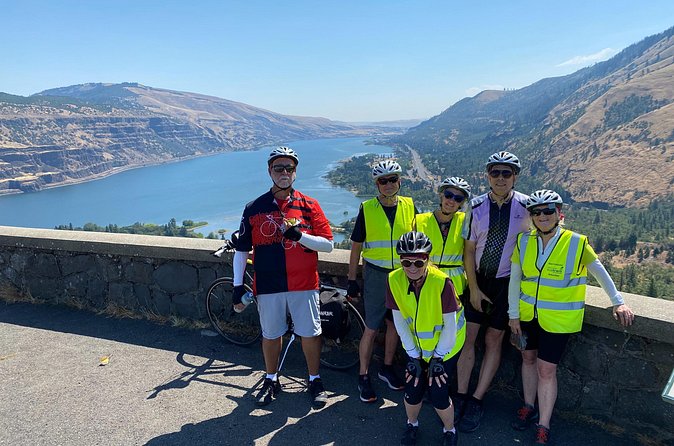
The ride ends in Cascade Locks, and this is a strong “wrap it up” location. You’ve spent the day moving through elevation shifts, waterfall areas, and scenic segments, and then you finish where the gorge feels wide and airy again.
This final stretch matters because it changes how you remember the day. Instead of finishing with another tight, steep segment, you end with views that make the effort feel worth it.
Rowena Crest Choice: Van Help vs. Turning Back Up the Climb
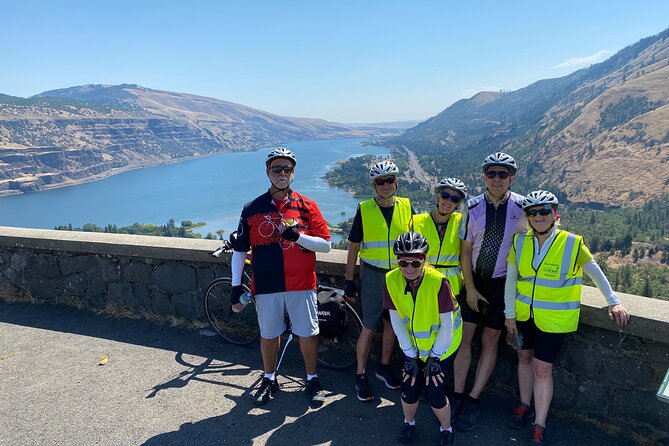
Near the top end, you’ll face a fork in the experience. The ride plan supports either:
- continuing toward Rowena Crest with some van shuttle help, or
- turning around and going back up one of the gorge’s storied, approachable climbs.
This choice is valuable because it lets you match the day to your appetite for suffering. Rowena Crest is the kind of vista people remember, so if you want that payoff without spending the whole day burning energy, the van-supported option can be a smart compromise.
On the other hand, turning back can feel more satisfying if you like the steady honesty of riding climbs and then settling into the descent. It’s also more straightforward: you know you’ll be working with the route you already started on, instead of adding another “reach for the next view” element.
Either way, the key is that the tour is designed to keep the day enjoyable instead of punishing. The small group size supports that.
Bike Support You Can Feel: Hybrid Bikes, Helmet, Snacks, Water
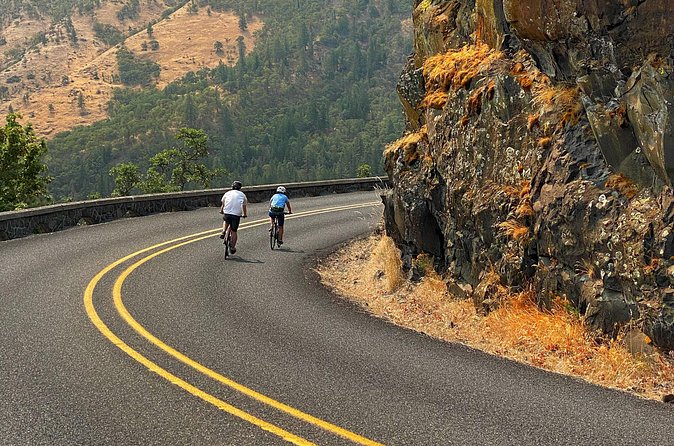
This is not a self-guided ride. It’s run with real support. You get:
- a hybrid bike
- a helmet
- bottled water
- snacks
- an air-conditioned vehicle
- a certified guide
That set-up matters more than it sounds. For most people, the comfort difference between a random rental bike and the right hybrid setup is huge. Hybrid bikes are often better for long, mixed terrain days because they’re stable and less demanding than skinnier, race-style road bikes.
The snacks and water help you avoid the classic mid-day crash. And the A/C vehicle support makes the logistics less annoying—especially with the vehicle rides before and after the biking.
One more thing: the route is designed with a range of riders in mind. People have highlighted that the guides can customize the route based on ability levels, so you’re less likely to feel like you’re stuck doing a distance you didn’t train for.
Lunch Break: Optional Wine or Cider and Cost on Your Own
Lunch isn’t included, and that’s honestly part of how this tour stays flexible. You’ll stop for lunch, with optional wine, cider, or beer available, or you can pick up a picnic lunch along the way. You pay for lunch yourself.
I like this approach because you can choose the vibe you want. If you want something sit-down and easy, you can do the restaurant stop. If you prefer to keep moving and avoid decision fatigue, a picnic can keep your energy steady for the last stretch.
The practical advice: plan your lunch budget before you go. With optional alcohol, the total cost can swing, and you’ll want to be comfortable with that number.
Who This Ride Fits Best (And Who Should Skip It)
This tour is for people with moderate physical fitness. It’s also not recommended for riders under 15. That tells you the guide expects real cycling effort, even if the route is paced and supported.
You’ll love it if:
- you want a guided waterfall day without renting a car and doing a giant driving loop
- you like a mix of scenery and movement
- you’re comfortable riding for longer stretches with some climbs
- you want group reassurance with a cap of 12 riders
You might want to choose a different option if:
- you’re training for your first-ever bike outing and haven’t built up to a longer distance
- you prefer rides where you barely break a sweat
Price and Value: Is $190 Worth a Full Waterfall Day?
At $190 per person, this isn’t a bargain-basement outing. But when you look at what’s included, the value makes more sense.
You’re paying for more than a route. You get equipment (hybrid bike + helmet), guided management (certified guide), and real support (snacks, water, A/C vehicle). You also get access to a day built around major landmarks that would take real effort to coordinate yourself—especially with vehicle timing and a route that’s designed for cycling rather than random stops.
Then there’s the small-group factor. Keeping it to 12 riders isn’t just a comfort perk. It improves how the guide can help you keep pace and how smoothly the day flows. That’s where some of the best reviews come from: riders describe guides who care about getting you what you want out of the experience, plus route customization and fun storytelling.
So for me, the question isn’t only whether $190 feels high. It’s whether you want a professionally managed waterfall-and-bike day. If yes, this pricing is pretty reasonable for the package.
Quick Booking Reality Check (Without the Fine Print)
You’ll use a mobile ticket, and the tour is offered in English. You’ll meet at the shop at 8:00 am and it ends back at the meeting point. The ride includes a vehicle component before and after biking, so you’ll be doing a full-day schedule rather than a quick morning loop. And if your plans change, free cancellation is available up to 24 hours before start time.
Should You Book the Columbia Gorge Scenic Bikeway Full-Day Ride?
If you want a day where the effort turns into payoff—waterfalls, river views, a protected pathway stretch, plus the option of Rowena Crest—you’ll likely be happy you booked this. The strongest case for me is the balance: big landmark stops without making the day feel chaotic, and support that reduces the friction of a long bike outing.
Book it if you’re comfortable cycling for roughly six hours, you like scenic stops (with some short walks), and you want a guide to shape the experience for your pace. Skip it if you want something more casual or you’re still working up to longer distances.
If you match the moderate-fitness sweet spot, this is one of those rare “I’ll remember this” gorge days—equal parts workout and wonder.
FAQ
How long is the Columbia Gorge Scenic Bikeway full-day bike ride?
The tour is about 8 hours total, with around six hours of riding.
What is the route distance?
You can expect either a 35-mile or a 60-mile bike route, depending on how the day is set up for your group.
What’s included in the price?
Included are a hybrid bike and helmet, bottled water, snacks, an air-conditioned vehicle, and a certified guide.
Is lunch included?
No. Lunch is on your own, either at a restaurant stop or as a picnic.
Do I need moderate fitness?
Yes. The ride is for people with moderate physical fitness, and it isn’t recommended for riders under 15.
How many people are in the group?
The tour keeps groups to a maximum of 12 riders.
You Might Also Enjoy

More Full-Day in Portland

More Tour Reviews in Portland
- The Real Portland Tour: City and 3 Lighthouses Historical Tour with a Real Local
★ 5.0 · 1,448 reviews