REVIEW · PORTLAND OREGON
Multnomah Falls: Waterfall Corridor Hop-On Hop-Off Trolley
Book on GetYourGuide →Operated by Gray Line Oregon · Bookable on GetYourGuide
Waterfalls, minus the parking stress. This open-air trolley runs the famous gorge route and pairs big views with onboard narration that keeps you oriented without staring at a map. The trade-off: because the trolley cycles through each stop about once an hour, you may find some stops feel like they need more time.
I also like that the ride doesn’t feel like a tourist trap just because it’s packaged. Parking is free at the nearby Corbett lot, and your Multnomah Falls entry ticket is included—so you spend less time dealing with logistics and more time outside. You just have to be okay with the rhythm of hop-off timing.
If you want maximum waterfall variety with minimal driving, this is a smart way to do it. If you’re the type who wants to linger all day at one place, plan to adjust your expectations.
In This Review
- Key things that make this trolley worth your time
- Why this trolley works so well on the Columbia River Highway
- Timing and pick-up rhythm: plan around the “about an hour” cycle
- The 10 stops along the route: what to do at each one
- Corbett: your easy start (and the free parking win)
- Crown Point: your viewpoint payoff
- Latourell Falls: one of the cascades that keeps the day moving
- Bridal Veil Falls: waterfall time with flexible pacing
- Angels Rest: a trail-stop you’ll choose based on your legs
- Wahkeena Falls: another waterfall hit for variety
- Multnomah Falls: the iconic one, with ticket logistics handled
- Triple Falls: a “more than one waterfall” stop
- Horsetail Falls: the finish that still feels like a highlight
- Ainsworth: the last hop before you’re done
- The narration and drivers: how the trip stays easy
- Value check: is $35 actually a good deal?
- Small rules that affect your comfort
- Who this trolley suits best (and who should think twice)
- Should you book this Multnomah Falls trolley tour?
- FAQ
- How much does the hop-on hop-off trolley cost?
- How long is the trolley ride if I don’t hop off?
- How often does the trolley arrive at each stop?
- Where can I start, and what are the departure times?
- Are Multnomah Falls tickets included?
- Are dogs and wheelchairs allowed?
- Is free cancellation available?
Key things that make this trolley worth your time
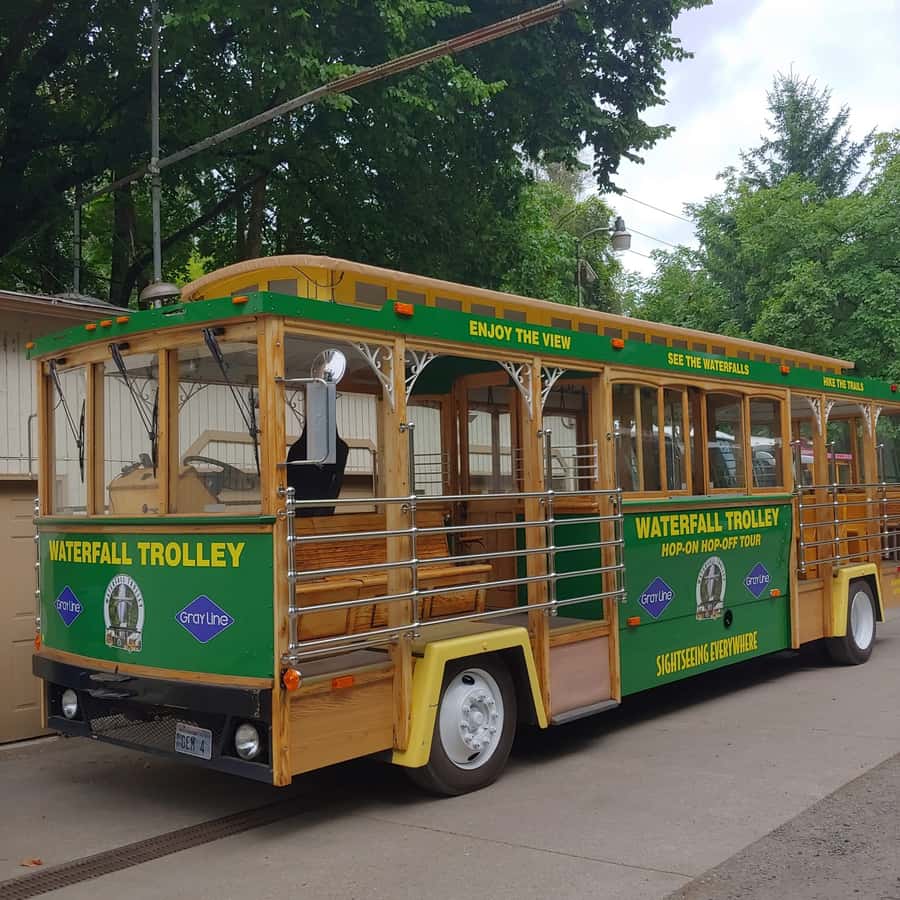
- Hourly hop-off convenience: trolleys arrive about every hour, so you can do short photo stops or longer walks
- Included Multnomah Falls ticket: you don’t have to track down separate entry
- Recorded narration that makes the route make sense: you learn what you’re seeing as you travel
- A photo-friendly open-air ride: unobstructed perspectives for the best waterfall-and-gorge angles
- Free parking at Corbett: skip the stop-and-go parking headaches on your own
- Plenty of waterfall variety in one day: Multnomah plus Latourell, Bridal Veil, Wahkeena, Triple, Horsetail, and more
Why this trolley works so well on the Columbia River Highway
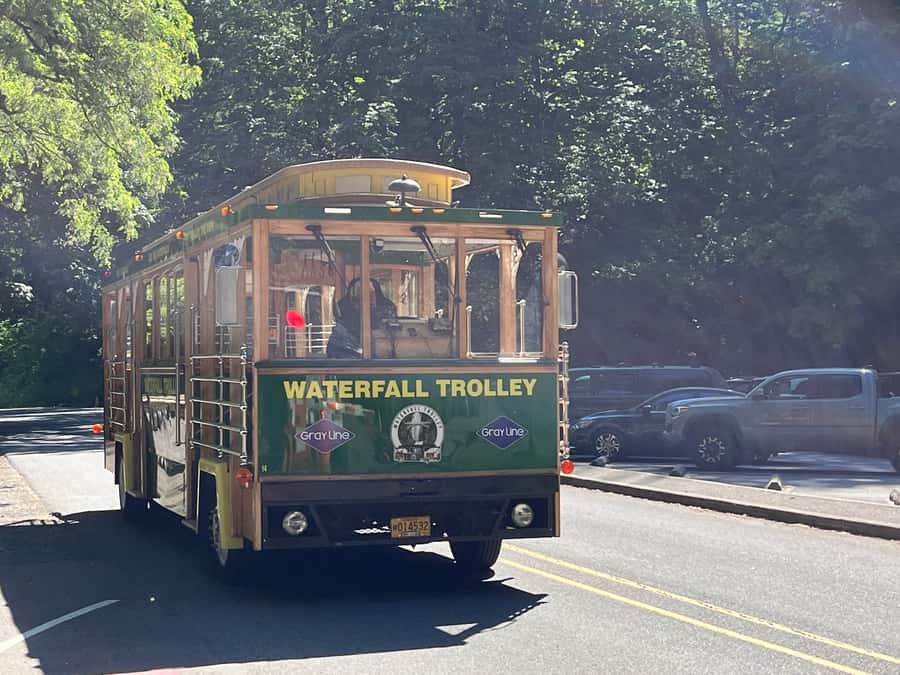
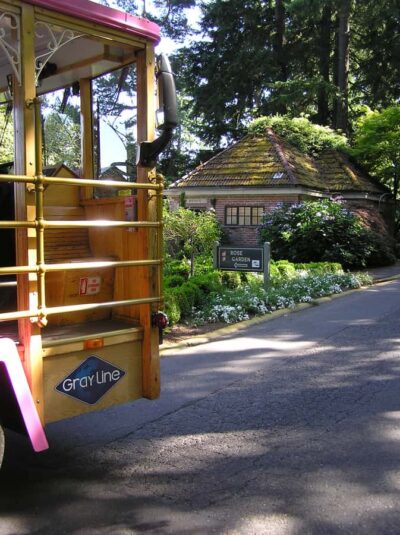
This is basically the anti-self-drive plan for the waterfall corridor. Instead of timing parking spots and backtracking, you get on, ride, and hop when it matches your energy level. The trolley is open-air, so you’re not stuck behind glass while you’re trying to photograph cascading water.
The recorded narration matters more than you’d think. It helps you connect the route, the falls, and the viewpoints so the day feels like more than just a series of pretty stops. Drivers also focus on clear pick-up and drop-off, which reduces that low-grade stress that can happen when you’re waiting for transport.
The best part for most people is the flexibility. You can do the quick hits—snap a few photos, stretch your legs, reboard—or you can choose one stop and make it your mini-hike day.
You can also read our reviews of more tours and experiences in Portland Oregon.


Timing and pick-up rhythm: plan around the “about an hour” cycle
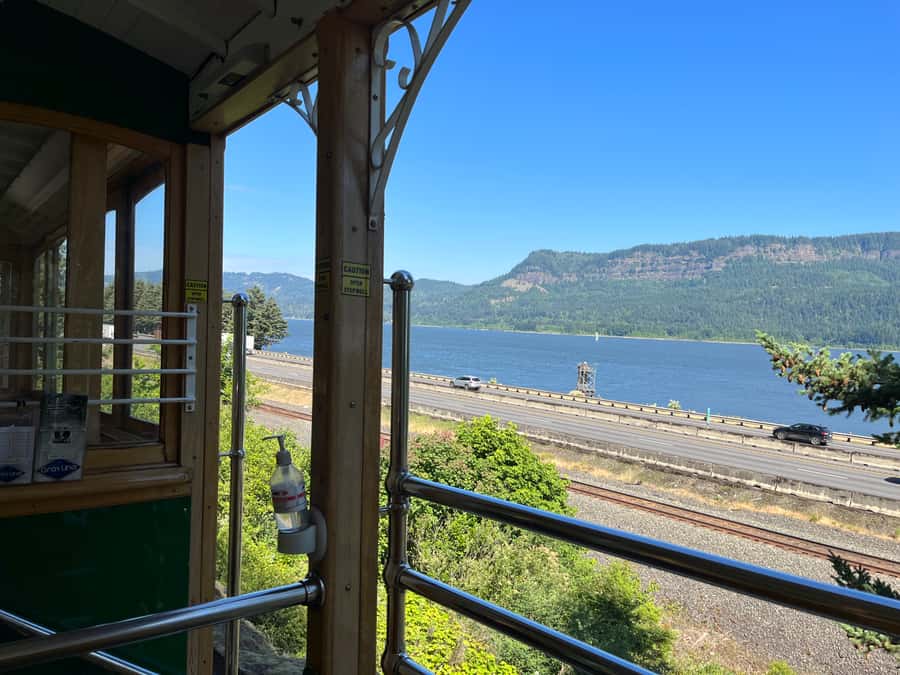
The schedule is built around repeat arrivals at each stop. You’re not wandering alone in traffic; you’re working with a predictable cadence. Trolleys arrive at each stop every hour, with service once per hour or more frequently if demand warrants.
Here’s how to think about your time:
- If you want a short stop, you’ll fit in fine.
- If you want a longer walk, you’ll need to commit to moving at a steady pace and watching the re-board time window.
There’s also a difference depending on where you start. A round trip with minimal hopping is scheduled to take 94 minutes from Corbett or 116 minutes from Multnomah Falls. If you just ride and listen, plan on about 1 hour 40 minutes as a good guide.
Departure timing is worth noting because the day only works if you pick the slot that fits your schedule. From Corbett, departures run on the hour from 9:00 AM to 4:00 PM. From Multnomah Falls Lodge, departures are 33 minutes after each hour starting at 9:33 AM eastbound, and on the top of the hour starting at 10:00 AM westbound.
The 10 stops along the route: what to do at each one
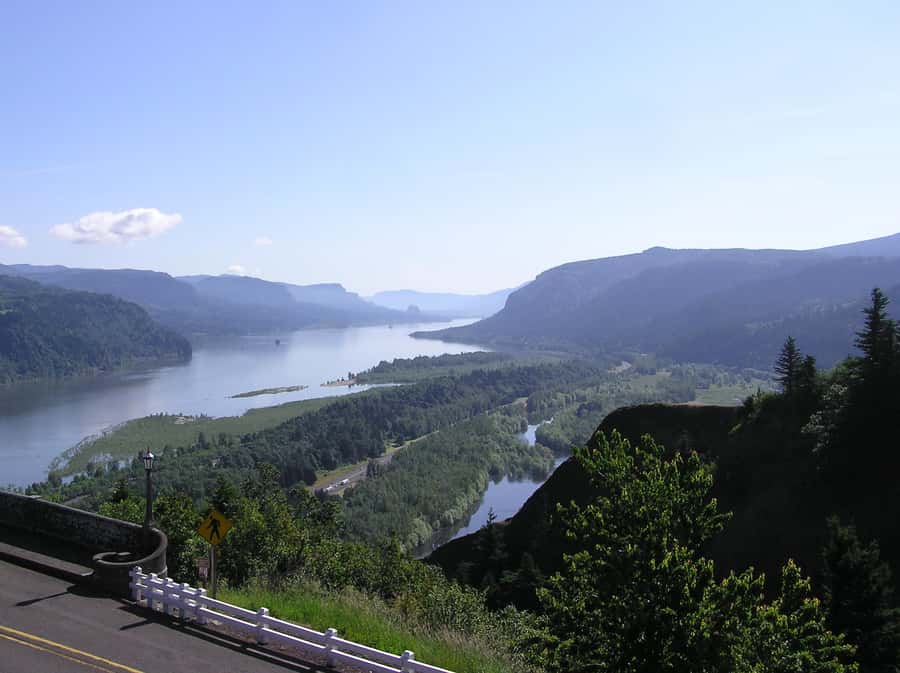
This trolley gives you a full stretch of the corridor, with stops at Corbett, Crown Point, Latourell Falls, Bridal Veil Falls, Angels Rest, Wahkeena Falls, Multnomah Falls, Triple Falls, Horsetail Falls, and Ainsworth. The idea is simple: use the hour-ish window to match the stop to your mood—scenic viewing, short trail time, or a longer hike.
Corbett: your easy start (and the free parking win)
Corbett is where many people start because it comes with free parking at a nearby lot. That’s not a small perk here. The corridor is famous, which means parking and traffic can be a headache on your own.
Use Corbett to set your plan. If you’re aiming to see multiple falls and still hike a bit, this start point keeps the day manageable.
Crown Point: your viewpoint payoff
Crown Point is the stop tied to standout views. When you get the chance to get above the action, you’ll usually want to. This is where you’d plan your best “no-running, just look” moment.
If you’re traveling with a mix of hikers and photographers, Crown Point is a good compromise: you can keep it short or spend a little more time depending on how the viewing holds your attention.


Latourell Falls: one of the cascades that keeps the day moving
Latourell Falls is one of the stops described as an amazing cascade. That phrase matters because it signals you’re not just seeing one single big name fall—you’re getting a chain of waterfall moments.
A good strategy is to use Latourell as a “photo plus a quick trail taste” stop. You’ll get the wow factor without sinking your whole day into one location.
Bridal Veil Falls: waterfall time with flexible pacing
Bridal Veil Falls sits in the middle of the route’s waterfall run. It’s a great stop when you want to switch from riding to walking without making it complicated.
If you’ve already done a longer stop earlier, keep Bridal Veil lighter. If you’re feeling energetic, you can take more time and choose a trail option from the hiking guide you get on board.
Angels Rest: a trail-stop you’ll choose based on your legs
Angels Rest is one of the stops framed as a trail option. That means you get to decide whether you want a quick stretch or more time on foot.
This is a smart place to go if you want a more active break between major waterfall viewpoints. Just remember the trolley rhythm: spend like you can re-board smoothly, not like you’ll have unlimited time.
Wahkeena Falls: another waterfall hit for variety
Wahkeena Falls is part of the “amazing cascades” run. It’s one of the stops that makes the whole experience feel worth it, because you’re not doing one waterfall and calling it a day.
If Multnomah feels too intense or too crowded later, Wahkeena gives you another angle to enjoy the corridor’s waterfall variety without putting all your hopes into a single stop.
Multnomah Falls: the iconic one, with ticket logistics handled
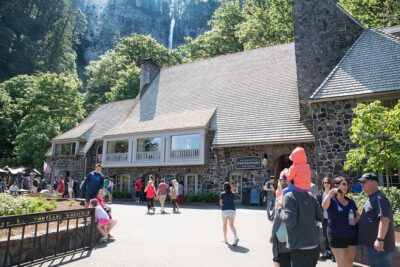
Multnomah Falls is the big draw and the reason many people plan this route. Your Multnomah Falls ticket is included, and the entry ticket requirement is handled inside your reservation, which removes one annoying step.
I’d plan your Multnomah time like this: come prepared to move with the crowd, but also be strategic. If you want the least stressful experience, you might like using your time around peak congestion with intent, and then making other stops your quieter waterfall moments.
Triple Falls: a “more than one waterfall” stop
Triple Falls earns its place because it’s another cascade stop that keeps the corridor from feeling repetitive. This is where your day starts to feel like a real waterfall loop instead of one scenic detour.
Use Triple Falls as your “choose your effort level” stop. If you want to hike, this fits the corridor vibe. If you’d rather keep it short, you’ll still get your waterfall fix.
Horsetail Falls: the finish that still feels like a highlight
Horsetail Falls is one of the other cascades you’re aiming to see. It’s a strong late-day stop because by the time you reach it, you’ve built anticipation from earlier falls—but you’re still getting something new.
This is also a good stop for photos if the light cooperates. Because the trolley is open-air, you’re already set up for great viewing angles, and Horsetail is a good place to put that to work.
Ainsworth: the last hop before you’re done
Ainsworth is the final listed stop. Think of it as your wrap-up point: if you still have energy, take it for a last short walk; if not, treat it like the calm ending before you head back toward your meeting point.
This stop helps the day feel complete, because you’re not turning around and driving back the same way at the end.
The narration and drivers: how the trip stays easy
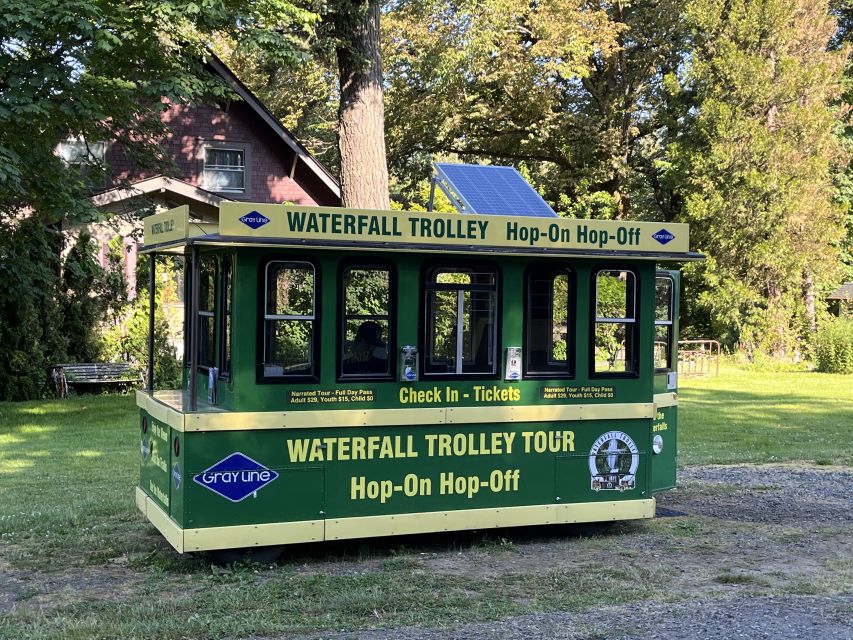
This tour isn’t just transportation. It’s built to keep your brain engaged while your feet are free to wander.
The recorded onboard narration is designed to explain the road and the area as you travel. That means when you hop off, you already have context. You can recognize why a viewpoint matters, and you understand how the stops connect along the highway.
Drivers also matter here. Clear communication about pick-up and drop-off keeps the hop-off routine smooth. On a day where you’re balancing hiking time and re-boarding, that clarity helps a lot.
Value check: is $35 actually a good deal?
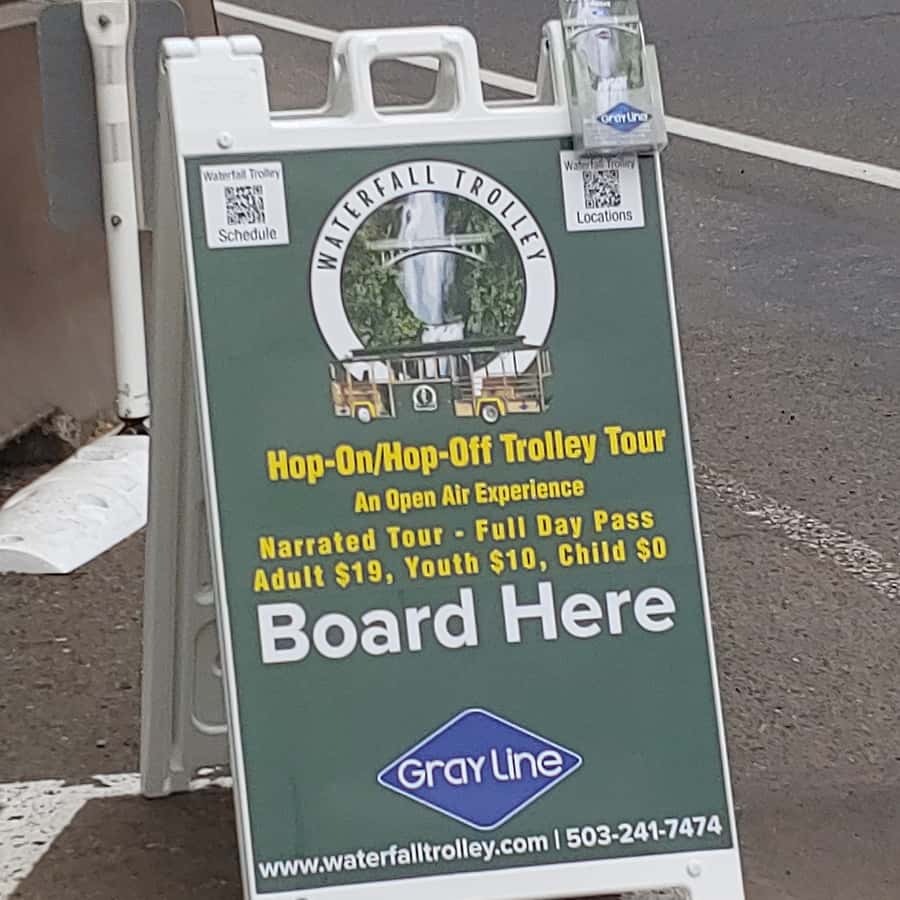
At $35 per person, you’re paying for convenience plus included access. The big value pieces are:
- Hop-on hop-off trolley service along the corridor
- Recorded narration while you ride
- Multnomah Falls ticket handled in your reservation
- Free parking at the nearby Corbett lot
If you’re comparing this to a self-drive day, the math usually lands in favor of the trolley when you factor in the hassle of parking and the time cost of driving. The day is also built so you can either ride-only and listen, or hop to see multiple falls without committing to one long driving-and-parking loop.
The price also makes more sense if you’re traveling with people who don’t all want the same level of effort. One person can do the trail time; another can keep it scenic.
The main reason people don’t rate it as a perfect fit is time management. If you dislike the idea of spending an hour-ish at stops, you might feel the schedule is a bit rigid. You can still choose shorter stops, but the corridor doesn’t work like an open-ended free-for-all.
Small rules that affect your comfort
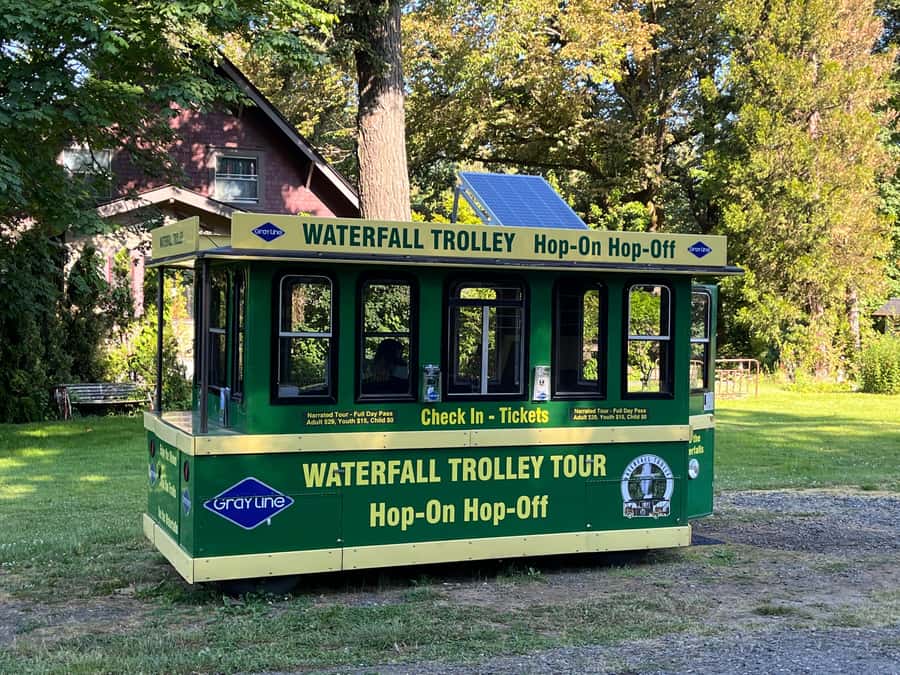
A few practical things can make or break your day experience.
- No luggage or large bags are allowed.
- Small dogs are permitted on a space-available basis.
- Wheelchair accessible if you notify in advance (24 hours).
- Your trolley day ends back at your meeting point, so plan your arrival and departure timing around that.
If you’re traveling light, this feels effortless. If you have bulky gear, you’ll want to adjust.
Who this trolley suits best (and who should think twice)
This is a great match if you want:
- A simple way to see multiple waterfalls in one outing
- A schedule that helps you avoid parking and driving stress
- Onboard narration so you understand what you’re seeing while you move
It can be less ideal if:
- You hate the idea of stop windows that feel limited. Some people felt the hour-ish time could be long at certain stops.
- You expect total control over time at each location. This is hop-on hop-off, but it still follows the trolley cadence.
If you’re the type who likes “ride, look, walk, repeat,” this will click.
Should you book this Multnomah Falls trolley tour?
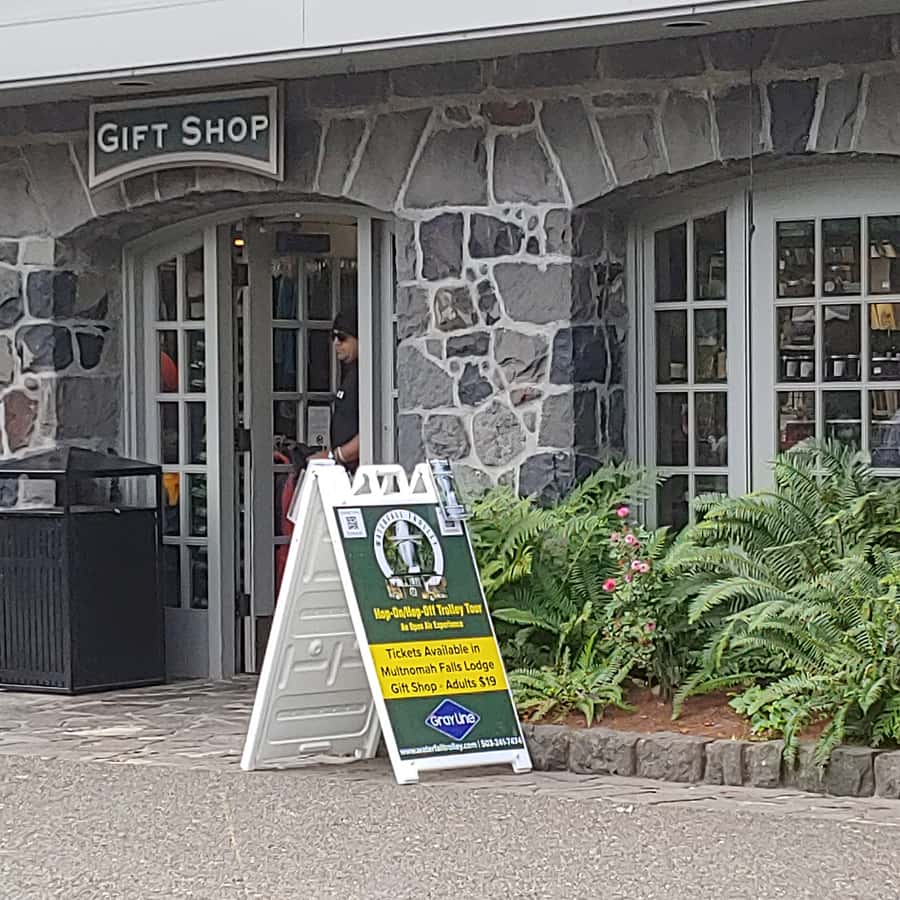
Yes, if you want waterfall variety with minimal logistics. The included Multnomah Falls ticket, free Corbett parking, and hourly hop-off structure make it one of the easier ways to experience the Columbia River Highway without turning your day into a parking search.
I’d say book it especially if you’re traveling with a group that has mixed interests—scenic viewing plus some trail time—and you want the day to stay organized. If you’re a slow linger-at-one-site person, consider a plan with fewer stops or be ready to keep your off-trolley time tighter.
If you want, tell me what time of day you’re arriving near Multnomah/Coebert and whether you prefer hiking or just viewpoints. I can suggest a smart way to choose your first couple of hops so your day feels like it flows.
FAQ
How much does the hop-on hop-off trolley cost?
The price is $35 per person.
How long is the trolley ride if I don’t hop off?
A round trip is scheduled to take about 94 minutes from Corbett or 116 minutes from Multnomah Falls. If you just ride and listen to the narration, it lasts about 1 hour and 40 minutes.
How often does the trolley arrive at each stop?
Trolleys arrive at each stop every hour, with once per hour service or more frequently if demand warrants.
Where can I start, and what are the departure times?
You can depart from Corbett (departures are on the hour from 9:00 AM to 4:00 PM, with the last departure at 4:00 PM). Departures from Multnomah Falls Lodge are at 33 minutes after each hour starting at 9:33 AM eastbound, and at the top of the hour starting at 10:00 AM westbound.
Are Multnomah Falls tickets included?
Yes. Multnomah Falls entry tickets are included in your reservation.
Are dogs and wheelchairs allowed?
Small dogs are permitted on a space-available basis. Wheelchair access is available if you notify the provider 24 hours in advance.
Is free cancellation available?
Yes. You can cancel up to 24 hours in advance for a full refund.