REVIEW · PORTLAND
Multnomah Falls Ebiking Tour to 6 Columbia River Gorge Waterfalls
Book on Viator →Operated by E-Bike Multnomah Falls · Bookable on Viator
One road. Six waterfalls.
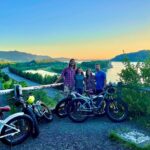
This e-bike tour turns the Columbia River Gorge into a rideable loop, with a digital, self-guided route and quick stops that help you skip the usual parking headache. I like how it mixes a big-hitter first stop with smaller falls that are easier to enjoy at a slower pace.
What I like most: you get height-adjusted e-bikes, plus helmets and bike locks, so you’re not stuck figuring out gear right when you arrive. The other win is the flow: you move from stop to stop without backtracking, and you can linger when the view is good.
One thing to weigh: you’ll share parts of the route with cars and trucks on Old Highway 30, and the experience depends a lot on how comfortable you feel on narrow roads. Also, some practical details can vary day to day, so I’d plan with a little extra patience.
In This Review
- Key Things You Should Know Before You Go
- E-Biking the Waterfall Corridor in Plain English
- Price and Time: Is $119 for 3.5 Hours Good Value?
- Meeting Point Basics: Where You Start and What to Expect
- E-Bike Setup That Matters: Fit, Locks, Helmets
- The Self-Guided Digital Route: How to Actually Use It
- Stop-by-Stop: Six Falls, One Gorge Ride
- Stop 1: Multnomah Falls Quick Access and Ticket Included
- Stop 2: Bridal Veil Falls State Park for a Quiet Walk
- Stop 3: Horsetail Falls for the Big Drop and a Swimming Hole
- Stop 4: Wahkeena Falls With a Short Bridge View
- Stop 5: Shepperd’s Dell Falls for a Smaller Horsetail-Look
- Stop 6: Latourell Falls for the 290-Foot Shower Moment
- Sharing the Road With Cars: How Risk Really Feels
- When to Ride and What to Wear Under Gorge Shade
- What Could Go Wrong (and How You Prevent It)
- Who This Tour Suits Best
- Should You Book It?
- FAQ
- What’s the duration of the e-bike tour?
- How much does it cost?
- Where does the tour start and end?
- Is the tour self-guided or guided?
- What’s included with the e-bikes?
- Are tickets included for the waterfalls?
- How much walking is involved at the stops?
- What’s the minimum age to participate?
- Is there a weather requirement?
- Can I cancel for a full refund?
Key Things You Should Know Before You Go
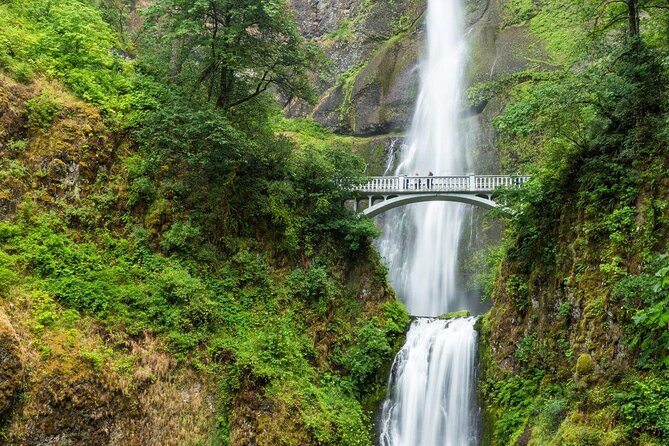
- VIP-style Multnomah Falls parking: your bike storage is close to the plaza, and Multnomah entry is part of the deal.
- Self-guided with digital directions: you ride your own pace, but you’ll want to follow the route closely.
- Six waterfall stops in ~3.5 hours: fast enough for a fun half-day, but not ideal if you want long hikes at every site.
- Car-sharing on the gorge road: many drivers give space, yet you should still stay alert on curves and narrow stretches.
- Shade + cool temps: mornings and the south side of the river can feel colder than you expect.
- Bring small comfort upgrades: a warmer layer helps, and a simple plan for lights and seating can make the ride nicer.
E-Biking the Waterfall Corridor in Plain English
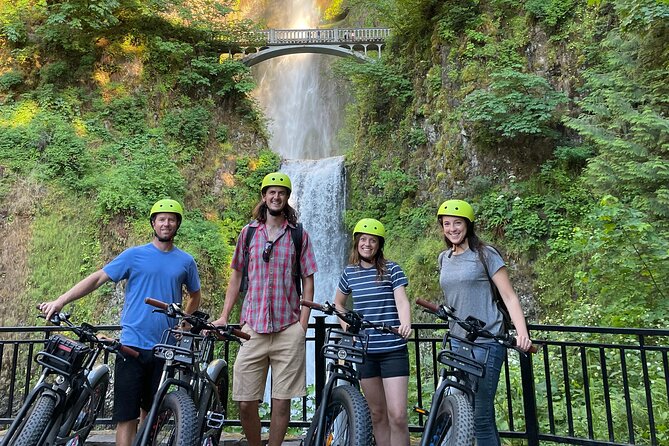
This is a self-guided e-bike tour built around one simple idea: see a lot of waterfalls without spending your day parked and hunting for tickets. You start in the Cascade Locks area and then ride through the gorge zone where the falls are close enough to enjoy without a full-day car marathon.
The “tour” part is really the structure. You get a clear route, timed-feeling stops, and gear that makes it easy to hop on and off the bike without stress. Then you get to decide how quickly you move once you reach each waterfall.
That balance—guided routing, but personal pacing—is why people seem to love it. It’s also why it works well for couples, friends, and small groups who want flexibility while still covering serious ground.
You can also read our reviews of more tours and experiences in Portland
Price and Time: Is $119 for 3.5 Hours Good Value?
At $119 per person for about 3 hours 30 minutes, you’re paying for three things: e-bike rental, safety gear (helmets), and the logistics that normally eat your day (parking, bike storage, and directions). If you’ve ever tried to do the Gorge by car, you already know the time tax: crowded lots, timed entry rules, and the stress of getting back to your vehicle.
This trip is priced like a practical shortcut, not a luxury day. And the stops are picked to match the time window. If you want a quick hit—especially on Multnomah, Latourell, and Horsetail—this duration can feel perfect.
If you want to hike more, linger longer, or do everything at a slow leisurely pace, the half-day window can feel tight. More than once, the ride works out best when you treat it like an active “see and savor” loop, not a long hike-and-picnic plan.
Meeting Point Basics: Where You Start and What to Expect
You meet at 63006 NE Frontage Rd, Cascade Locks, OR 97014. Your ride begins and ends there, so you’re not dealing with the “drop here, pick up there” scramble.
A big practical detail: this is a private tour/activity, so only your group rides together. That matters because bike logistics—fit, quick instructions, and lock timing—go smoother without a constant churn of strangers.
Also, it’s mobile ticket based, and you get confirmation at booking. You’re expected to show up ready to ride, since the time between meeting and heading out is short.
E-Bike Setup That Matters: Fit, Locks, Helmets
The e-bikes come adjusted to your height, and that’s a real quality-of-life upgrade. In this kind of ride, fit isn’t a small comfort detail; it changes how easy the pedals feel and how stable you feel at stops.
You also get helmets and bike locks. The lock piece is important because many of these waterfalls involve short walks and viewpoints, and you don’t want to worry about where to leave the bike.
One thing I’d keep in mind: some people like to have extra visibility. There are reports of no bike lights, and you may end up riding while it’s getting darker than planned. If your schedule risks a late finish, I’d bring your own small lights if you have them, just to be safe.
The Self-Guided Digital Route: How to Actually Use It
You follow a digital, self-guided tour route. That sounds simple, but the practical trick is to treat the route like instructions, not a suggestion.
Here’s how I’d make it work smoothly:
- Before you start pedaling, get the stops loaded and confirm you know where you’re parking and locking your bike.
- At each stop, park with enough time to walk, take photos, and still re-find the bike easily.
- Don’t assume every viewpoint has signage from the road. Some stops are easy to miss if you’re driving past them.
The upside of self-guiding is control. You can pause when the view is best and move on when the crowd thickens. The downside is you’re responsible for timing—so if you start late, you may not make all six stops.
- The Real Portland Tour: City and 3 Lighthouses Historical Tour with a Real Local
★ 5.0 · 1,448 reviews
Stop-by-Stop: Six Falls, One Gorge Ride
Stop 1: Multnomah Falls Quick Access and Ticket Included
Multnomah Falls is the headline, and you start here for a reason. Your bike locks and racks are close—about 20 feet from the Multnomah Falls plaza—which basically solves the biggest frustration: parking and long walks just to reach the stairs.
You also get admission ticket included to Oregon’s top attraction, and the plan is built to let you treat this as your big photo moment plus a chance to explore the area nearby.
One key consideration: biking access and parking rules can be specific here. You might find that bikes aren’t allowed at the falls in the exact way you expect, and you may need a time slot to view certain viewpoints later in the day. If you want maximum flexibility, plan to arrive at Multnomah early and then keep an eye on any time-window requirements you encounter.
Time for this stop: about 45 minutes.
Stop 2: Bridal Veil Falls State Park for a Quiet Walk
Next is Bridal Veil Falls State Park. This stop is built around a short hike—about 2/3 mile—to a waterfall in a calmer, more secluded-feeling setting than the big-name plaza.
This is where the e-bike shines. You can arrive without driving into another crowded lot, and you can still do the small walk that turns a roadside stop into a more “earned” view.
If you want a bit of movement without committing to a long hike, this is a sweet spot.
Time for this stop: about 30 minutes.
Stop 3: Horsetail Falls for the Big Drop and a Swimming Hole
Horsetail Falls is an easy roadside stop, and it’s dramatic: a 190-foot waterfall. You don’t need a complex plan to reach it, which makes it a great mid-ride recharge.
There’s also a swimming-hole vibe if conditions allow, and it’s the kind of stop where you’ll decide on the spot whether you want just a look or a quick splash.
This stop is quick in practice, but the scale hits fast. It’s a good reminder that you don’t need long hikes to get big impact in the gorge.
Time for this stop: about 30 minutes.
Stop 4: Wahkeena Falls With a Short Bridge View
Wahkeena Falls is named for a Yakima word meaning Most Beautiful, and the payoff is in the short effort. You’ll do a short hike up to a bridge for the better perspective.
This stop is perfect when you want a quick “let me stretch my legs” break that still feels worth it. The bridge viewpoint helps you read the fall’s shape and scale without a long climb.
Time for this stop: about 15 minutes.
Stop 5: Shepperd’s Dell Falls for a Smaller Horsetail-Look
Shepperd’s Dell Falls is smaller—just over 100 feet—and it’s the kind of stop that most people miss when they’re only doing the obvious roadside pull-offs.
The charm here is the contrast. After big drops, this kind of waterfall feels more intimate and less chaotic. It’s also a good stop for a short walk and a calmer look around.
Time for this stop: about 15 minutes.
Stop 6: Latourell Falls for the 290-Foot Shower Moment
This often becomes people’s favorite. Latourell Falls is famous for a 290-foot tall waterfall, and it’s one of the only places on this route where you can experience a more shower-like feel.
It also helps that the stop often mixes a strong visual with interesting geology you can spot while you move along the viewpoint area.
If you only have one stop to linger at, it’s often a good candidate—just plan your time so you don’t rush out right before the best photo moments.
Time for this stop: about 30 minutes.
Sharing the Road With Cars: How Risk Really Feels
Let’s be honest: you’ll be riding a route that’s shared with cars and trucks in parts. That can feel stressful, especially on narrow sections and curves.
The good news is that many drivers in this gorge corridor tend to be patient and careful around cyclists. You’ll still want to ride like you’re invisible in traffic—eyes up, hands steady, and expect the occasional impatient move.
Also, one travel reality matters: if you’re nervous about traffic, or if your group has any riders who are new to biking, you may want a longer setup with extra practice time. The e-bike helps with hills, but it doesn’t remove road risk.
Practical tip: if you can, ride earlier in the day. Less traffic makes everything calmer.
When to Ride and What to Wear Under Gorge Shade
This area often stays cooler than you expect. A lot of the ride can be in shade, and people who planned for sunny weather sometimes found the south side of the river colder than anticipated.
What to pack:
- A jacket even if the forecast looks warm
- Layers you can remove when you’re pedaling hard
- Water, even if you think you’ll be fine (you’ll be biking, stopping, and walking)
One more comfort note: e-bike saddles and street pumps can be rough for some riders. If you’re sensitive to seat feel, consider bringing a small cushion solution so the last hour doesn’t turn into “why did I do this.”
What Could Go Wrong (and How You Prevent It)
Most days sound smooth. Still, it’s smart to plan around a few known friction points.
- Late starts change the math. If you start later due to traffic, you may not reach all six stops.
- Lighting and fenders might not be guaranteed. Some bikes may lack lights, and some may not have fenders. If you want a clean shirt and visible riding, bring small extras.
- Access rules at Multnomah can affect your plan. Time slots and bike-parking rules may require you to return later.
- Uneven access paths at the bike area. In one serious account, the driveway access involved rocky, gravel terrain and limited help. If you have mobility concerns, don’t assume it will be flat and easy.
My advice: if any of those points sound like your likely pain—new rider stress, narrow-road anxiety, tight schedule—choose a day when you’re well-rested and not rushing to connect to another transport plan.
Who This Tour Suits Best
This is a great fit if you want:
- A lot of scenery with less effort than pedaling a traditional bike
- A self-paced route that doesn’t force you to stay on a strict vehicle itinerary
- The flexibility to spend time where you care, like lingering longer at Latourell or doing the short hikes when you feel like it
It may be less ideal if you:
- Have someone who’s not comfortable with bikes on roads shared with cars
- Need a fully stress-free, no-road-sharing experience
- Want long hikes at every waterfall in a half-day window
Should You Book It?
Book it if you’re excited by the idea of an e-bike loop through six gorge stops with smart shortcuts—especially the close-in setup for Multnomah Falls and the no-parking-fuss approach.
Skip or adjust expectations if you know you’ll need more time than 3.5 hours, because some stops involve short hikes and you’ll lose time if you move slowly. If traffic or timing would stress you out, plan an earlier departure and give yourself buffer time.
If you do book, I’d go in with a simple checklist: warm layer, optional bike lights, and a mindset that this is a ride-first day with photo-and-walk stops—not a long hiking day at every waterfall.
FAQ
What’s the duration of the e-bike tour?
It runs about 3 hours 30 minutes.
How much does it cost?
The price is $119.00 per person.
Where does the tour start and end?
It starts at 63006 NE Frontage Rd, Cascade Locks, OR 97014 and ends back at the same meeting point.
Is the tour self-guided or guided?
It’s self-guided using a digital tour route.
What’s included with the e-bikes?
You get e-bikes adjusted to your height, plus helmets and bike locks.
Are tickets included for the waterfalls?
Multnomah Falls admission ticket is included. The other listed stops have free admission.
How much walking is involved at the stops?
There are short hikes at several stops, including about 2/3 mile at Bridal Veil and a short hike to a bridge at Wahkeena. Other stops are more roadside or brief.
What’s the minimum age to participate?
You must be at least 16 years old.
Is there a weather requirement?
Yes. The experience requires good weather. If it’s canceled due to poor weather, you’ll be offered a different date or a full refund.
Can I cancel for a full refund?
Yes, free cancellation is available if you cancel at least 24 hours in advance of the experience start time.
—
If you tell me your travel month and whether your group has first-time e-bike riders, I can suggest the best strategy for timing and which stops to prioritize.
You Might Also Enjoy

More E-Bikes in Portland

More Tours in Portland
- The Real Portland Tour: City and 3 Lighthouses Historical Tour with a Real Local
★ 5.0 · 1,448 reviews
More Tour Reviews in Portland
- The Real Portland Tour: City and 3 Lighthouses Historical Tour with a Real Local
★ 5.0 · 1,448 reviews