REVIEW · PORTLAND OREGON
From Portland: Columbia Gorge Waterfalls and Mt. Hood Tour
Book on GetYourGuide →Operated by Wildwood Adventures · Bookable on GetYourGuide
Waterfalls and Mt. Hood in one smooth day. I love the small-group van comfort on the long drives and the way Multnomah Falls gets paired with the historic lodge and real viewing access. The only snag: lunch is not included, and the pace is steady enough that you’ll want to be ready to move between stops.
You start in downtown Portland and ride the Columbia River corridor into the Historic Columbia River Highway, with an English-speaking guide pointing out what you’re seeing as you go. It’s a smart choice if you want iconic scenery without the stress of renting a car, navigating parking, and timing everything yourself.
In This Review
- Key highlights worth planning for
- Riding the Gorge route from Portland without the car headache
- Crown Point Vista House: a lava-formed view before the waterfalls
- Latourell Falls: a tall drop with an optional short walk
- Multnomah Falls and the historic lodge saved in 2017
- Hood River break, lunch on your terms, and fruit-and-farm country
- Climbing to Mt. Hood and arriving at Timberline Lodge
- Timing, walking limits, and what to bring so the day stays pleasant
- Price and value: what $149 buys you in real terms
- Who this tour suits best
- Should you book this Columbia Gorge and Mt. Hood day tour?
- FAQ
- How long is the tour?
- How much does the tour cost?
- What’s included in the price?
- Is lunch included?
- How big is the group?
- Is the tour wheelchair accessible?
- What walking should I expect?
- What should I bring, and is luggage allowed?
Key highlights worth planning for
- Small-group size (up to 12) means more face time with your guide and easier logistics at each stop
- Crown Point Vista House delivers 180-degree views over the Gorge and a visit to a National Register site
- Multnomah Falls + Benson Bridge viewpoints give you multiple angles on one of Oregon’s biggest waterfalls
- Latourell Falls brings a dramatic basalt setting plus an optional short, paved walk
- Timberline Lodge on Mt. Hood adds a walking tour inside plus outdoor views from a National Historic Landmark
- Easy walking distances (generally up to about half a mile round trip at once) with mostly well-kept paths
Riding the Gorge route from Portland without the car headache
This is built for people who want the big Oregon hits in one day, but don’t want to spend that day wrestling with driving stress. Pickup is in downtown Portland at Director Park (SW Taylor and SW 9th), right in front of Pastini, so you’re not starting your trip in a far-off suburb. If you’re using transit, the MAX line, streetcar, and bus connections are nearby, and if you’re driving, there’s a SmartPark Garage close by.
Once you leave Portland, the road does what it’s supposed to: it sets you up for views right away. You head east along the Columbia River to Troutdale, then into the Gorge area where the scenic road is part of the experience, not just a way to get somewhere else. A lot of day trips basically drop you at a waterfall and hope for the best. Here, the drive itself matters because the guide uses the ride time well.
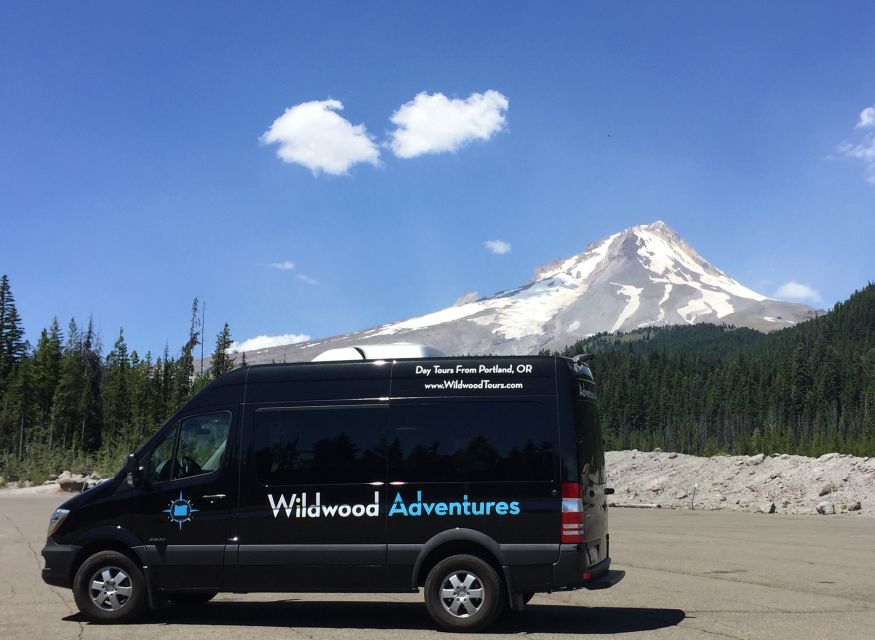
The transportation is a premium, high-roofed passenger van. That sounds like a small detail until you’re actually in it on a full day. Higher ceilings help you stay comfortable, especially when you’re constantly shifting positions for photos or stepping in and out at overlooks.
Two things I like about the format: first, you get an organized rhythm to the stops, so you’re not guessing how long you need. Second, it’s paced for seeing multiple waterfalls plus Mt. Hood without turning the day into an all-out hike.
Potential downside: because it’s a full day loop, you do have a lot of moving parts. If you hate schedules, this may feel “busy,” even though the walking is manageable.
You can also read our reviews of more tours and experiences in Portland Oregon.


Crown Point Vista House: a lava-formed view before the waterfalls
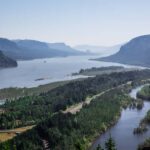
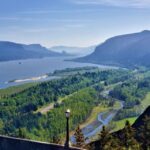
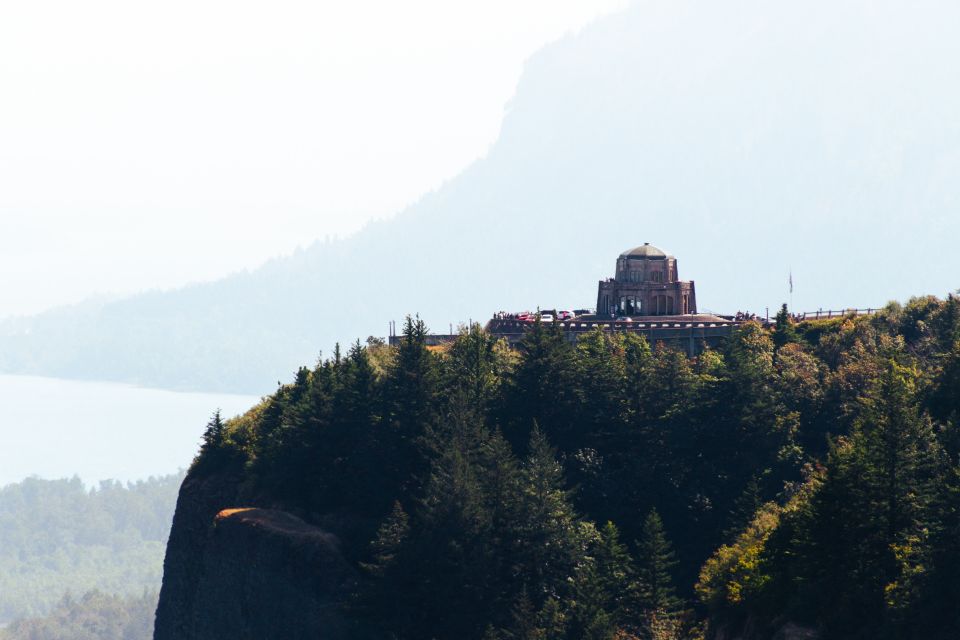
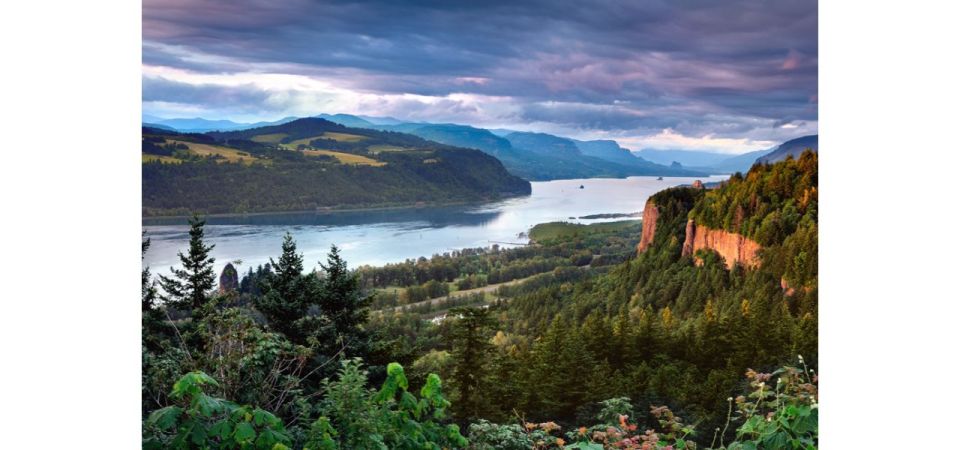
Crown Point is a strong first move because it gives you scale fast. You’re going high—about 733 feet above the Columbia River—on a spot created by ancient lava flow activity. That geology angle matters: it helps you understand why the Gorge looks the way it does, with steep walls and dramatic vantage points that feel almost engineered.
At Crown Point Vista House, you’re not just doing a quick lookout photo and leaving. You get time to explore the Vista House itself, including its museum/observatory role, and it’s listed on the National Register of Historic Places. For me, this stop works because it slows the day down just enough to connect the scenery to place. You’re learning the “why” behind the views before you start chasing the “wow” of the falls.
There’s also the practical value: you’ll likely get your best light and widest shots here simply because the Vista House area is made for panoramas. Even if the rest of the day is cloudy or smoky, you usually still get usable views from an overlook like this.
Small caution: bring sunglasses and a hat if the sun is strong. Heights and open air can make brightness hit harder than you expect.
Latourell Falls: a tall drop with an optional short walk
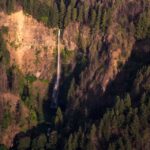
Next you head deeper into the Columbia River National Scenic Area, and the tour goes straight to Latourell Falls, dropping about 249 feet. The wow-factor here isn’t just height—it’s the setting: the falls plunge over a massive wall of columnar basalt. Basalt columns are one of those Oregon details that look like someone made them on purpose.
You have the option for a short walk—around a ¼-mile paved trail—depending on the season and what your guide sets up. Because the tour doesn’t force long hikes, this is a good stop for many fitness levels. You can get closer to the falls, feel the mist in certain conditions, and still keep the day comfortable.
Why this stop is valuable on a one-day tour: it’s a different visual style than the later falls. Multnomah is wide and iconic; Latourell feels more dramatic in a tighter geological frame. Seeing them back-to-back helps you compare Oregon waterfall types instead of treating them as interchangeable photo stops.
If you’re sensitive to wet stone, remember the ground can be slick near waterfalls. Closed-toe shoes are a must.
Multnomah Falls and the historic lodge saved in 2017
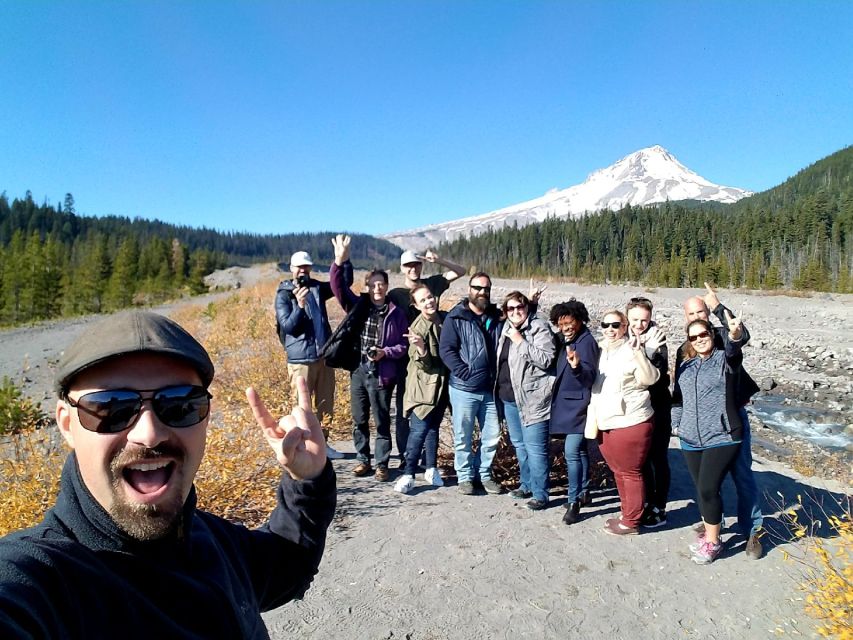
Then the day hits its headline. Multnomah Falls drops about 620 feet in two main steps, making it the highest waterfall in Oregon and the second highest continuously flowing waterfall in the U.S. That’s a mouthful, but the real experience is simpler: it’s hard to miss.
What I like here is that the tour gives you more than one way to see it. You get access to the viewing platform with a full view that includes the Benson Bridge and cascading falls beyond it. That bridge angle is part of why Multnomah is so photogenic—your brain reads depth in a way it can’t on a flat overlook.
You also get time at the Multnomah Falls Historic Lodge, a Cascadian style stone-and-timber lodge built in 1925. Here’s the key context: during the gorge fire in 2017, wildland crews worked to save this historic landmark. That story doesn’t just add trivia; it makes the lodge feel like a survivor, not just a pretty building.
The drawback to keep in mind is crowding. This is one of Oregon’s most famous sites, so you may see heavier foot traffic at times. The good news is that your time is planned, and the guide helps you know where to go for the best views without wasting minutes.
Hood River break, lunch on your terms, and fruit-and-farm country
After the Gorge waterfalls, the tour pivots toward Hood River, about an hour of break time. Hood River is known for wind sports, especially windsurfing, and it also works as a reset point after waterfall viewing. You’ll likely want to stretch your legs, explore a bit, and eat lunch.
Lunch is not included, which is the one clear cost add-on. The value tradeoff is that you can choose what fits your budget and food preferences rather than being limited to a set meal. If you know you’ll want something specific, plan it early when you arrive—don’t wait until the last minute.
After lunch, you head south through the Fruit Loop orchards and lavender farms. If time permits, the tour may stop at a farm stand. This segment is a nice change of pace because it shifts you from raw geology and waterfall water to the slower rhythm of Oregon agriculture. You get a different kind of landscape detail—fields, seasonal color, and roadside flavors—without spending hours on farmland roads.
Practical note: this part of Oregon can feel sunny even when higher elevations are cool. A light layer helps.
There’s also a shorter stop in Parkdale for shopping and scenic views on the way. It’s not a long detour, but it gives you a chance to grab a snack, local treat, or small souvenir if that’s your thing.



Climbing to Mt. Hood and arriving at Timberline Lodge
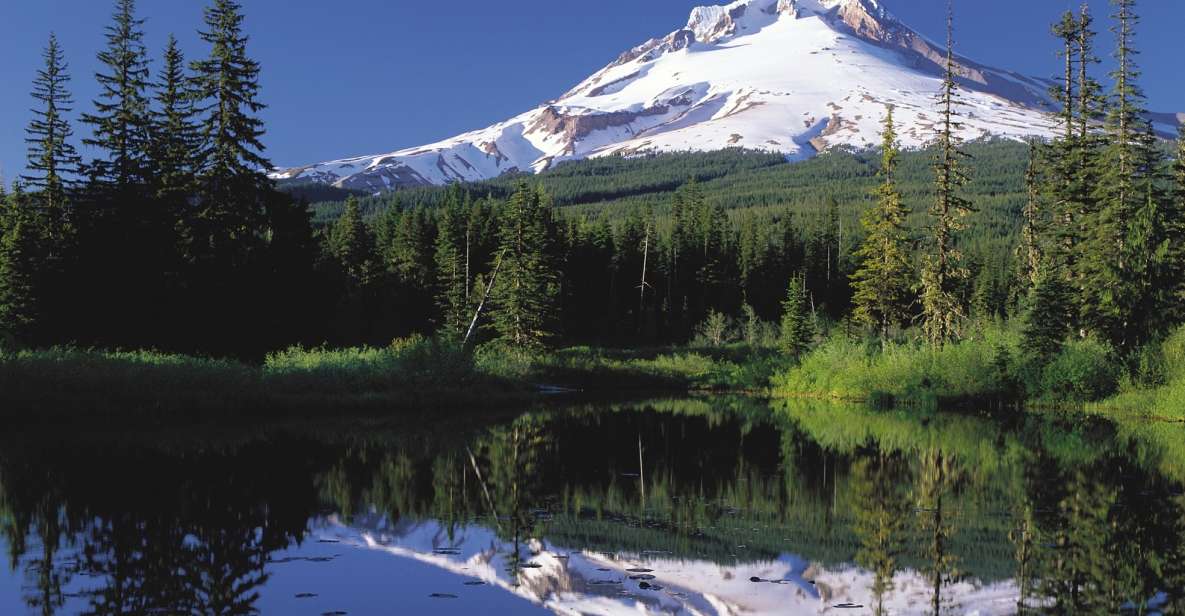
Now the day turns into Mt. Hood territory. The route climbs roughly to about 6,000 feet in elevation as you make your way to Timberline Lodge and Ski Area. This is Oregon’s “big mountain, obvious at a distance” moment.
Timberline Lodge is a National Historic Landmark, and that label matters once you’re there. The lodge sits against Oregon’s highest peak, Mt. Hood, which can make even a short visit feel like a milestone. The air and views change quickly with elevation, and the lodge’s position gives you a strong sense of scale.
The tour includes a walking tour inside the lodge. That’s a good use of time because interior spaces aren’t dependent on weather the way outdoor viewpoints are. Then you’ll enjoy the surrounding Cascade Mountain Range views from the lodge’s outdoor patios.
If time allows, your guide may lead a short hike to a Pacific Crest Trail crossing just behind the lodge. This is the kind of add-on that turns a photo stop into something you can actually say you walked to. Even if you don’t hike much at home, it’s a manageable chance to experience the trail environment without committing to a big trek.
One consideration: conditions at Timberline can change fast. You might want a jacket even on a pleasant Portland day, because Mt. Hood weather is its own system.
Timing, walking limits, and what to bring so the day stays pleasant
This tour is designed to be accessible with sensible walking. Trails are well-maintained, and walking is not required. Typically, the longest single stretch is about half a mile round trip. There may be some graded paths, but usually only slightly or for short distances.
So you’re not signing up for a major endurance hike. Still, you are going to step out at multiple locations. Your day will feel better if you plan for shoes and layers.
Bring:
- Comfortable shoes with grip
- Sunglasses and a sun hat
- A camera
- A jacket and weather-appropriate clothing
- Closed-toe shoes (especially near wet areas)
Not allowed:
- Luggage or large bags
Also, service animals are allowed, but the tour is not suitable for wheelchair users. If that matters for you, you’ll want a different format.
Price and value: what $149 buys you in real terms
At $149 per person for an 8-hour outing, you’re paying mostly for three things: transportation, guide-led timing, and access to a tight set of major stops without car logistics. The “value” is strongest if you would otherwise spend money renting a car, paying for parking, and losing time figuring out what to do next.
You also get a small group cap (up to 12), which is meaningful at places like Multnomah where movement and photo angles can get tricky. In a bigger bus situation, waiting for people at overlooks eats time. Here, the van format keeps the day moving.
The one cost you’ll need to plan for is lunch since it’s not included. If you budget for that from the start, the rest of the day feels like a packaged deal: you show up downtown, ride out, and come back after Mt. Hood.
Who this tour suits best
This tour fits you if:
- You want a full day of standout Oregon scenery without driving yourself
- You like short, manageable walks and lots of viewing time
- You’re okay with a schedule and prefer not to guess timing at each stop
- You want a mix: waterfalls plus Mt. Hood plus a little farm-country flavor
It’s less ideal if:
- You need a very slow, flexible pace
- You require wheelchair access
- You don’t want to bring lunch money into your plans
Should you book this Columbia Gorge and Mt. Hood day tour?
I think it’s a strong pick if you’re visiting Portland and want the Gorge and Mt. Hood without turning your trip into a driving project. The combination of Gorge icons (Crown Point Vista House, Latourell Falls, Multnomah Falls) plus a real Mt. Hood stop at Timberline Lodge makes it feel like one coherent day, not a pile of roadside photo breaks.
If you’re the kind of traveler who likes facts tied to what you’re seeing—like how basalt and ancient lava shape the Gorge—you’ll appreciate the guide role. And if your priority is comfort and organization, the premium high-roofed van and small group size do real work.
One last practical decision tip: if you book, plan your lunch budget ahead of time and pack for changing weather at elevation. Do that, and this day reads like one of the best ways to get Oregon’s signature views in a single shot.
FAQ
How long is the tour?
It runs for about 8 hours, then returns to Portland in roughly a 1.5-hour drive.
How much does the tour cost?
The price is $149 per person.
What’s included in the price?
Transportation and a live guide are included.
Is lunch included?
No. Lunch is not included, and you’ll have about an hour break in Hood River.
How big is the group?
The tour is limited to a small group with up to 12 participants.
Is the tour wheelchair accessible?
No, it is not suitable for wheelchair users.
What walking should I expect?
Walking is optional. Distances are typically short, with the furthest distance usually around half a mile round trip at one time.
What should I bring, and is luggage allowed?
Wear comfortable clothes and closed-toe shoes, and bring items like a jacket, sunglasses, and a sun hat. Luggage or large bags are not allowed.