REVIEW · PORTLAND
Afternoon Lighthouse Cruise Along the Coast of Portland Maine
Book on Viator →Operated by Portland Schooner Co. · Bookable on Viator
Lighthouses look different from open water. On this 1.5-hour afternoon cruise from Portland, Maine, you float through Casco Bay and watch for seals and seabirds while the captain and crew point out what’s around you. I love the mix of famous lights and real working harbor views, and I love the small group vibe that makes it easy to ask questions without feeling rushed. One possible drawback: a lot of the lighthouses are seen from farther out, so plan on using phone zoom or bringing binoculars if you want crisp details.
This is also a great value setup because it’s a BYO-style outing. You can bring your own snacks and your own beer or wine, then just settle in for the views. The trip runs about 1 hour 30 minutes, so it doesn’t drag, even if the sea is a little choppy.
You’ll board at 13 Ocean Gateway Pier in Portland, and you’ll have a mobile ticket ready when you arrive. From there, the route threads together Portland’s skyline, Casco Bay islands, and iconic lighthouse stops that most people only see from photos.
In This Review
- Key highlights
- The “perfect length” 1.5-hour format off Portland
- Where you board: 13 Ocean Gateway Pier, Portland
- The route: Portland skyline, working waterfront, then Casco Bay islands
- Bug Light Park (1875) and Spring Point Ledge: why these lighthouses matter
- Portland Head Light: the big-name stop you’ll remember
- Ram Island Ledge Light Station (1905): the “emerges from the water” look
- Peaks Island landing and Fort Gorges: forts, ferry routes, and granite blocks
- Wildlife watch: seals and seabirds, plus tips for spotting them
- What to bring: snacks, wine/beer, and how to dress for a coastal afternoon
- Onboard comfort: toilet, boat feel, and the small-group advantage
- Price and value: $62 for a lighthouse loop plus Q&A freedom
- Should you book this Portland lighthouse cruise?
- FAQ
- How long is the Lighthouse Cruise Along the Coast of Portland Maine?
- How much does the cruise cost?
- Where do I meet for the cruise?
- Is there group narration on this cruise?
- Can I bring food and drinks?
- Is there a restroom onboard?
- How big is the group?
- What wildlife might I see?
- What happens if weather is bad or I need to cancel?
Key highlights
- Small-group cruise with time to ask the captain and crew what you’re seeing
- Casco Bay wildlife time, especially seals and seabirds
- Iconic lighthouse chain, including Portland Head Light and Spring Point Ledge
- Historic stops like Bug Light Park and Fort Gorges granite fort blocks
- Bring-your-own comfort, so you control your snacks and drinks
- Onboard marine composting toilet for fewer interruptions
The “perfect length” 1.5-hour format off Portland
This cruise hits a sweet spot. It’s long enough to feel like you left the dock and actually got out into Casco Bay, but short enough that you don’t have to give up half a day. At about 1 hour 30 minutes, you can fit it into a normal travel day with time to grab dinner right after.
What you’re paying for is essentially a focused sightseeing loop with plenty of visual targets. You’re not doing a long transit. You’re out on the water, staying oriented around Portland’s coast and the nearby islands, with multiple stops for photos and lookouts.
Also, the vibe tends to be laid-back. Several people highlight how friendly and interactive the captain and first mate (names you might hear onboard include Greg, Erica, Nash, Jacob, Sam, Luke, Nick, Josh, and Dan) are. In practice, that means you can ask questions as you go, rather than sitting through a rigid lecture.
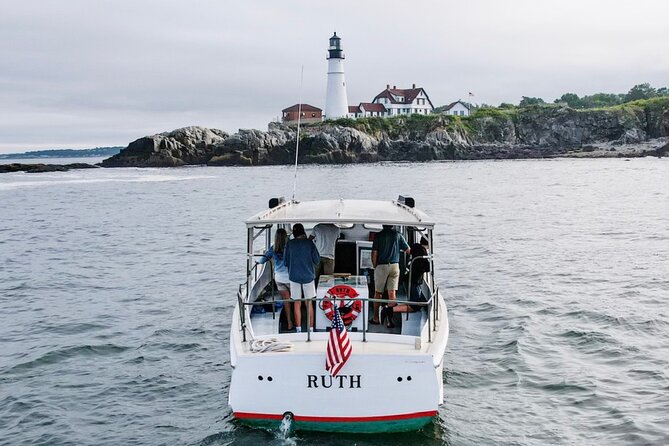
The one thing to keep in mind is how you’ll experience the lighthouses: from the boat, many are clearly visible but still not close-up. If you want “postcard lighthouse filling the frame” shots, bring expectations down a notch and aim for good viewing angles instead.
You can also read our reviews of more boat tours in Portland

Where you board: 13 Ocean Gateway Pier, Portland
Your meeting point is 13 Ocean Gateway Pier, Portland, ME 04101. That matters because the cruise starts promptly and this area is all waterfront—so you’ll want to arrive a bit early to avoid last-minute stress.
A practical tip: the pier zone can feel like a maze if you arrive late or rely too heavily on maps. One person mentioned the address didn’t come up cleanly in Google Maps, and another rider described confusion about the exact dock. So I’d treat this like a “show up early, follow the pier signage, and confirm you’re in the right spot” situation.
Once you’re docked, boarding should be straightforward since you’ll use a mobile ticket. Service animals are allowed, and the pier is near public transportation, which is handy if you don’t want to deal with the hardest-to-find parking spots.
The route: Portland skyline, working waterfront, then Casco Bay islands
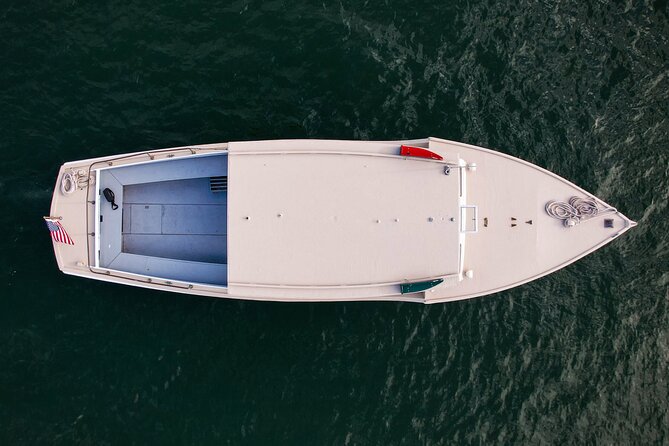
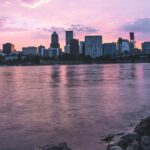
The tour starts with a look at Portland’s waterfront and skyline—Portland’s largest city, established in 1786. From the water, you get a different sense of scale. Instead of seeing the harbor as a background, you understand it as a working system: boats coming and going, docks and wharves shaping the coast, and the city built right alongside the water.
Then the cruise heads into Casco Bay. You’ll glide through cool, clear waters while counting islands. Casco Bay has a long human timeline that goes back to 1678, and the idea here is simple: you’re not just sightseeing lighthouses. You’re watching a region that has supported shipping, fishing, and coastal navigation for centuries.
A good mindset for this section: watch for the “everyday harbor” details. Fishing boats leaving and returning isn’t just scenery. It’s part of why lighthouses and forts mattered. If you have questions, this is a great time to ask. The crew is typically happy to tie what you see now to why these structures were built.
Bug Light Park (1875) and Spring Point Ledge: why these lighthouses matter
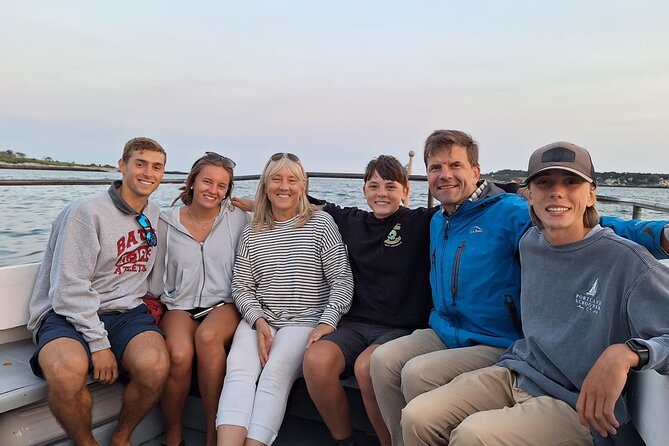
Two stops tend to stand out because they show lighthouses as practical tools, not just pretty icons.
Bug Light Park is home to a historic lighthouse built in 1875, located within Portland’s inner harbor. From the boat, it’s the kind of site where you can actually notice architectural character—its detailing and exterior features tend to look sharp even when you’re at a distance. This stop also gives you a feel for how the harbor itself is designed around navigation needs.
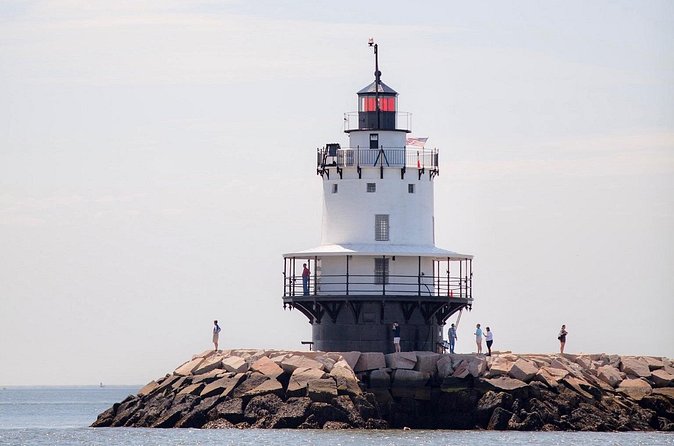
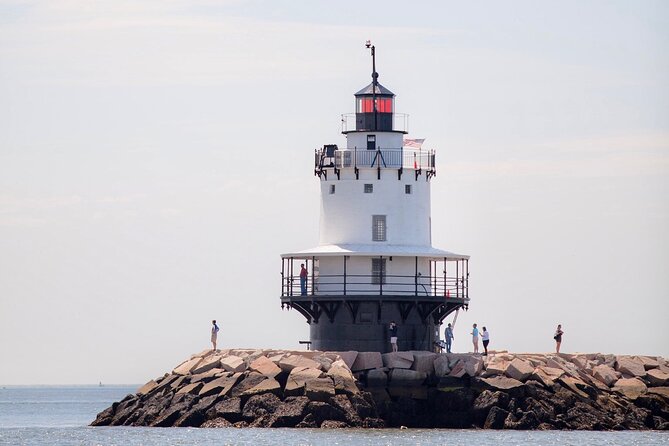
Then you pass Spring Point Ledge Lighthouse. This one is important because it helps guide commercial marine traffic through Portland’s busy shipping channel. In other words, the lighthouse is doing work today, not just museum-style history.
If you want a more satisfying experience here, ask the crew to explain what you’re looking at in terms of navigation. Even without a formal group narration, you can still get meaning out of these structures by asking targeted questions. It turns the cruise from just looking into understanding.
Portland Head Light: the big-name stop you’ll remember
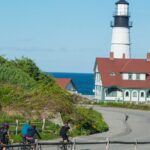
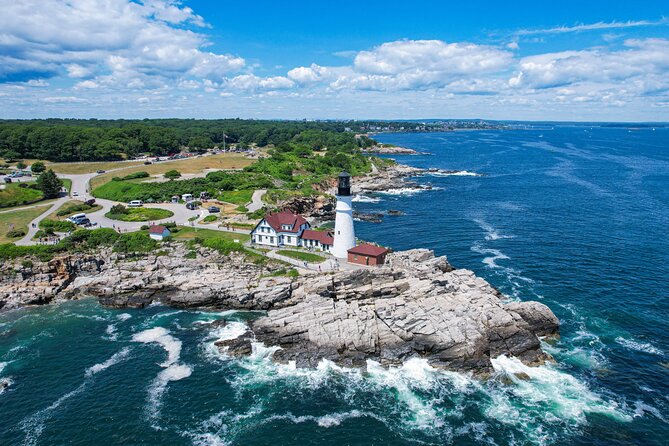
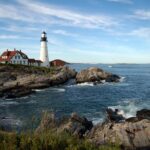
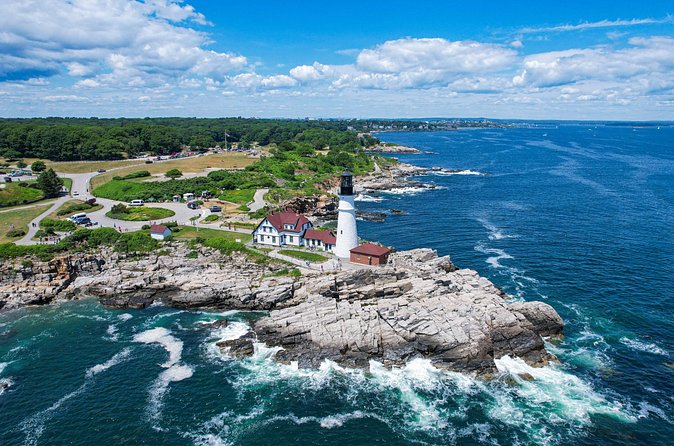
Portland Head Light is often the highlight because it’s Maine’s oldest lighthouse, commissioned by George Washington and built in 1791. Even if you’ve seen it in photos, seeing it from the water gives you a better read on how the coast and the rocky shoreline shape visibility and approach.
This is a rocky-shore lighthouse setting, so expect it to look anchored to the land. That “connection” is what makes it feel so different from simpler inland views. You’re also likely to get the best overall sense of the coastline here: the boat’s angle, the cliffs, and the way the light sits against the water.
One note for photos: because this is a famous spot, it can also be a spot where people assume they’ll be close enough to zoom in for crisp details. If you’re farther out, use a two-step approach: steady your phone, then use zoom only after framing from your position. Bringing binoculars is an even easier fix if you’re picky about detail.
- The Real Portland Tour: City and 3 Lighthouses Historical Tour with a Real Local
★ 5.0 · 1,448 reviews

Ram Island Ledge Light Station (1905): the “emerges from the water” look
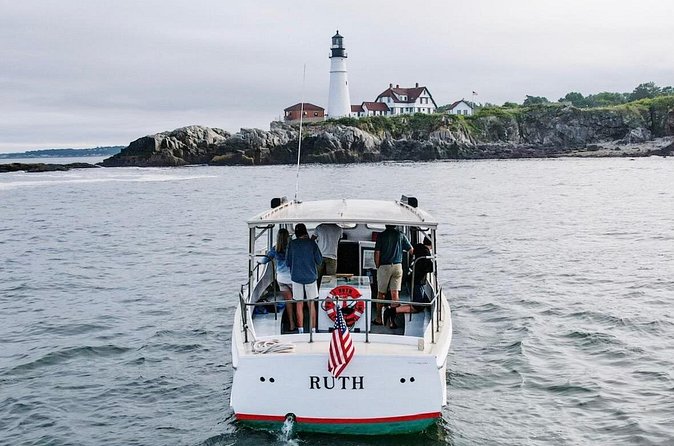
Ram Island Ledge Light Station, built in 1905, is the kind of lighthouse that feels almost sculptural. It emerges from the water with a stone exterior buttressed against the sea—so it doesn’t look like it’s perched on land. It looks like it was engineered for impact, waves, and constant exposure.
This is also a good stop to slow down mentally. Instead of searching for a wide “city postcard,” you’ll probably notice the structure’s solidity and the way sea conditions interact with it. Even on days when visibility isn’t perfect, this lighthouse often remains readable as a shape and silhouette.
Ask the crew what they think is most important visually from your exact angle. That kind of small suggestion can help you “see” more than just the outline.
Peaks Island landing and Fort Gorges: forts, ferry routes, and granite blocks
After the lighthouse sequence, the cruise shifts from light stations to how the coast supports people and defense.
You’ll notice the comings and goings at the landing on Peaks Island. There’s a ferry that services residents and visitors almost hourly, and Peaks Island is the most populous island in Casco Bay. From the water, you don’t just see the island—you see the rhythm of island life, which makes the whole bay feel like a connected place instead of a scenic backdrop.
Then comes Fort Gorges, with massive granite blocks built from 1858 to 1864. What’s striking is how the fort’s stonework is now interwoven with nature. From the boat, you can read the geometry and scale even if you can’t step onto the grounds. It’s the kind of sight that turns the trip into more than a lighthouse tour.
For me, this part is where the cruise becomes more meaningful. The lighthouses are navigation aids. The fort is coastal defense. Peaks Island shows civilian life. Together, they explain why Portland’s coastline developed the way it did.
Wildlife watch: seals and seabirds, plus tips for spotting them
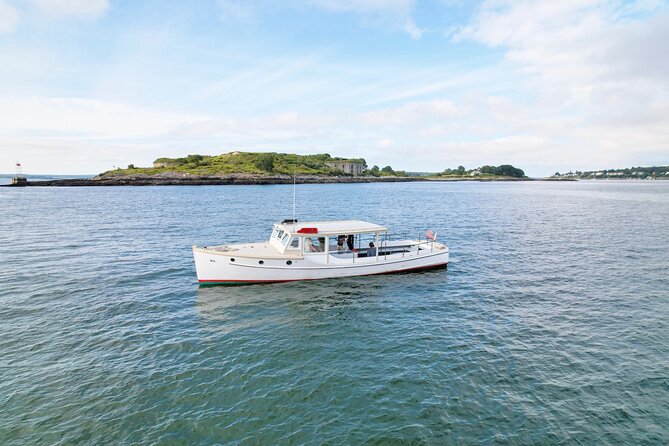
A lighthouse cruise is fun, but the wildlife element is often the extra payoff. This trip specifically encourages you to look out for seals and seabirds.
Here’s how I’d do it on the water:
- Scan ahead as you move, not just when the boat is slowing.
- Watch for birds that react—like they’re keying in on something you can’t yet see.
- If seals show up, give them space. Don’t crowd the best-looking spot; just keep watching from where you are.
The crew’s job is to keep an eye on things, so if you spot something and you’re not sure what it is, ask right away. Names like Luke and Nick (from onboard roles mentioned by past riders) suggest a style of keeping the group engaged—so questions are part of the flow.
What to bring: snacks, wine/beer, and how to dress for a coastal afternoon
The cruise is BYO for food and drink. You can bring your own snacks, and you can bring beer and/or wine. That’s a big deal because it lets you match your plan to your budget. You’re not stuck buying everything at the dock. You can also bring the kind of snacks that travel well—things you can eat without fuss while you’re focused on the coastline.
Plan on bringing water too. Even on a mild day, being on open water can dry you out.
Dress smart. Coastal breezes are often cooler than you expect, especially once you’re out of the harbor and moving. A light jacket is usually the difference between enjoying the ride and thinking about warmth.
And for lighthouse viewing, think “detail tools.” If you care about seeing stone textures and lamp elements, a camera with zoom helps, and binoculars can be even better.
Onboard comfort: toilet, boat feel, and the small-group advantage
This cruise includes an onboard environmentally friendly marine composting toilet. That’s not glamorous, but it’s practical. In a shorter tour, it can also reduce the urge to rush through the experience.
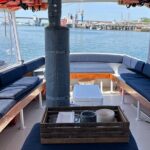
Boat comfort comes up in the way people describe the trip: a comfortable ride, friendly crew energy, and enough space to look around. The group size is capped at 19 travelers, which tends to make the experience feel less like a cattle car and more like a shared outing.
That small group also affects how information reaches you. Several riders liked the interactivity, but a few pointed out that hearing commentaries can be tough—especially if you’re farther back or if you’re sitting in a spot where wind and engine noise compete with speech. If you’re someone who enjoys commentary, pick a seat where you can hear without craning your neck.
Price and value: $62 for a lighthouse loop plus Q&A freedom
At $62 per person, this is positioned as an affordable way to get lighthouse scenery without committing to a long day. The value comes from the combination:
- Time on the water (about 1 hour 30 minutes)
- Multiple major viewing targets in a single run (from Bug Light to Portland Head Light and beyond)
- The chance to ask the crew about what you’re seeing
The most important value angle is that there’s no heavy-pressure “listen only” format. Group narration isn’t listed as included, but the captain and crew are happy to answer questions. So you can steer your experience toward what you care about: wildlife, harbor history, how these lights function, or how the modern harbor connects to the older forts and navigation aids.
If you want a constant stream of spoken narration, you might feel a little more dependent on your question skills. But if you enjoy learning through conversation and looking on your own, the setup makes sense.
Should you book this Portland lighthouse cruise?
I think you should book if you want a relaxed, scenic harbor-and-coast outing that’s short, practical, and built around big visual landmarks. It’s especially a good fit for people who like asking questions on the water and who can accept that lighthouse viewing is often “distance plus angle,” not “stand next to it.”
Skip it or adjust expectations if you’re looking for close-up lighthouse details. This is a cruise where you’ll see many famous sites, but you’ll likely be viewing from farther out, so plan on using zoom and focusing on overall shape and setting.
If your goal is a straightforward afternoon on Casco Bay with wildlife potential and iconic lighthouses, this is a strong choice.
FAQ
How long is the Lighthouse Cruise Along the Coast of Portland Maine?
It runs for about 1 hour 30 minutes.
How much does the cruise cost?
The price is $62.00 per person.
Where do I meet for the cruise?
You meet at 13 Ocean Gateway Pier, Portland, ME 04101, USA.
Is there group narration on this cruise?
Group narration is not included. The captain and crew are happy to answer questions about harbor sights.
Can I bring food and drinks?
Yes. You’re welcome to bring your own food and drink, including beer and/or wine.
Is there a restroom onboard?
Yes. The tour includes an environmentally friendly marine composting toilet.
How big is the group?
The cruise has a maximum of 19 travelers.
What wildlife might I see?
The cruise encourages you to look out for seals and seabirds.
What happens if weather is bad or I need to cancel?
This experience requires good weather. If it’s canceled due to poor weather, you’ll be offered a different date or a full refund. Free cancellation is available up to 24 hours in advance for a full refund; within 24 hours, refunds are not available.
You Might Also Enjoy



More Boat Tours & Cruises in Portland
More Tour Reviews in Portland
- The Real Portland Tour: City and 3 Lighthouses Historical Tour with a Real Local
★ 5.0 · 1,448 reviews